We're Hiring — build your career with AAA

Back to Blog
Swamp Cooler vs. Central Air: Making the Switch in Northern Colorado
Summer in Northern Colorado used to follow a predictable pattern. Hot afternoons gave way to crisp, cool evening breezes blowing off the Rocky Mountains, allowing homeowners to open their windows and naturally cool their living spaces. For decades, the region relied heavily on evaporative coolers, commonly known as swamp coolers, as the primary defense against July and August heat. Because local humidity levels historically hovered in the single digits, these water-based systems offered an affordable, energy-efficient way to keep indoor temperatures manageable.
Times are changing along the Front Range. Recent summer seasons in Fort Collins, Loveland, and Greeley have brought unprecedented challenges, including prolonged heatwaves, spiking afternoon humidity levels, and seasonal wildfire smoke. Northern Colorado homeowners are finding that their trusty swamp coolers can no longer keep up with these shifting weather patterns. If you find yourself constantly adjusting your old unit, dealing with muggy indoor air, or worrying about outdoor air quality, it might be time to consider upgrading to a modern central air conditioning system. This guide will break down the mechanics, benefits, and local factors to help you make the right investment for your home comfort.
Understanding the Basics: How Each System Works
To understand why one system might outperform the other in modern Colorado summers, you have to look at the science behind how they cool your living space. The two systems approach temperature control from completely opposite directions, which impacts how they perform when outdoor conditions fluctuate.
How Swamp Coolers Leverage Colorado Dry Air
Swamp coolers rely entirely on the process of evaporation to lower air temperatures. The system pulls hot, dry outdoor air through cellulose or fiberglass pads that are constantly saturated with water from a dedicated supply line. As the hot air passes through these damp pads, the water absorbs the heat and evaporates, transforming the hot, dry breeze into a cool, moist airflow that is pushed into the home via a blower motor.
For this process to function correctly, the indoor air must have an escape route. Homeowners must crack open windows in specific rooms to pull the cool air through the house and push the warm air out. Because it depends on evaporation, the system inherently adds significant moisture to the indoor environment.
How Central Air Conditioning Removes Heat and Humidity
Central air conditioning relies on a closed-loop refrigerated system rather than environmental evaporation. The process utilizes a chemical refrigerant to actively absorb heat from inside your home and transfer it outdoors. An indoor evaporator coil absorbs the heat from your indoor air as it passes through the return ducts. The now cooled air is circulated throughout the entire house using your home furnace blower and duct network.
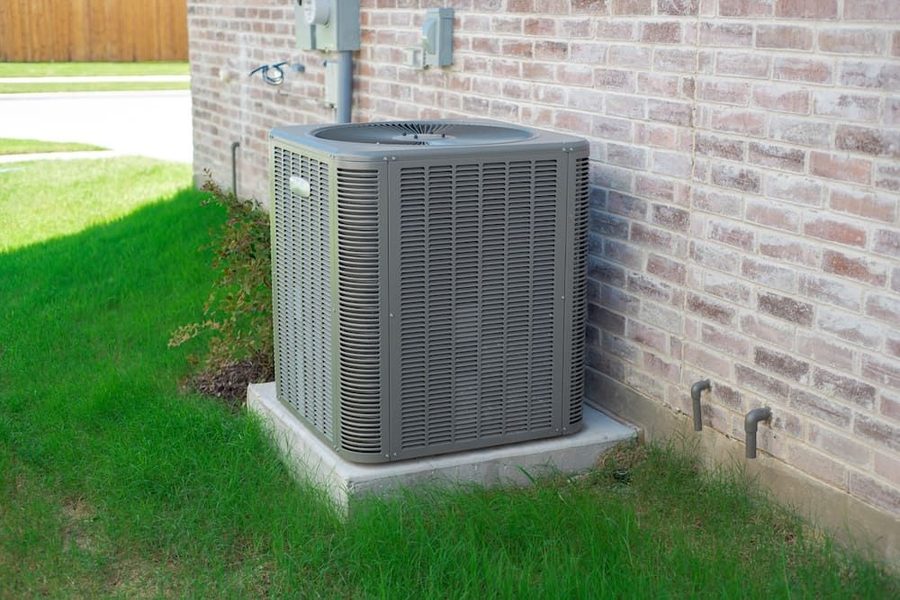
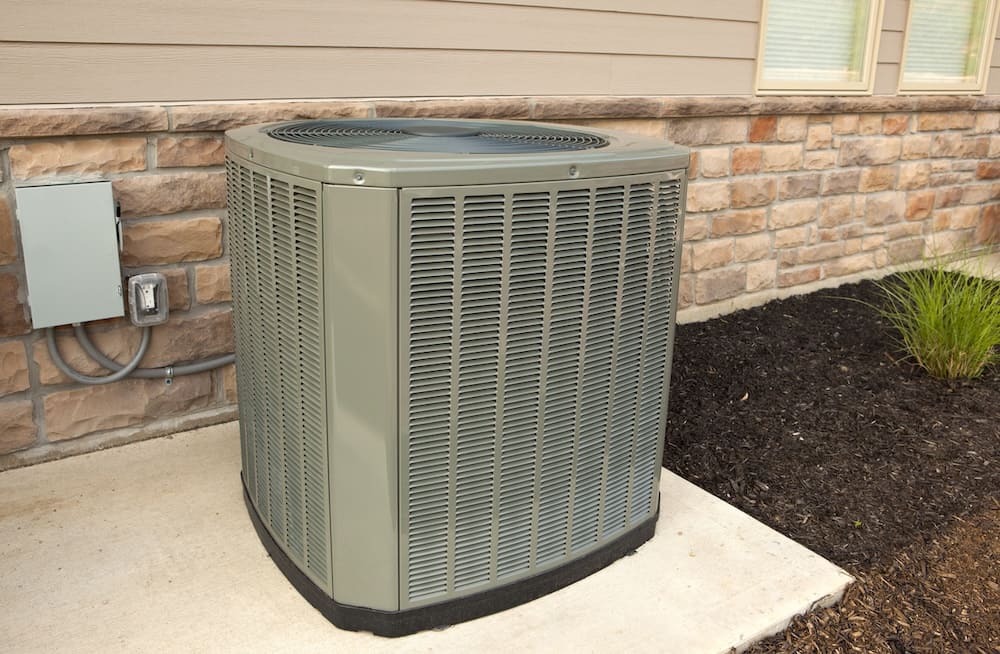
Meanwhile, the absorbed heat travels through copper refrigerant lines to an outdoor condenser unit, where it is released into the outside air. As a natural byproduct of this refrigeration process, moisture in the air condenses on the cold indoor coil and drains away. This means central air conditioning actively dehumidifies your living space while it cools, creating a crisp, controlled indoor climate regardless of how hot or sticky it gets outside.
The Pro and Con Breakdown: Swamp Coolers
To make an informed choice, it helps to examine exactly where evaporative cooling shines and where it falls short under modern Colorado conditions.
The Advantages of Evaporative Cooling
The primary appeal of a swamp cooler has always been its low operating cost. Because the system only runs a simple fan motor and a small water pump, it consumes up to seventy-five percent less electricity than a traditional air conditioner. This translates to incredibly low monthly utility bills during peak summer months.
Additionally, because the air in regions like Loveland and Longmont is naturally arid, the moisture added by a swamp cooler can make the indoor air feel less harsh on your skin, eyes, and sinuses. The upfront installation and equipment costs are also significantly lower than installing a full compressor and condenser network.
The Disadvantages of Evaporative Cooling
The biggest flaw of a swamp cooler is its vulnerability to weather changes. When outdoor humidity levels rise above thirty percent, the air becomes too saturated to absorb more moisture efficiently. On muggy afternoons or during late summer monsoon patterns, a swamp cooler stops blowing cold air and instead pumps warm, sticky humidity into your home, creating a swampy environment.
Swamp coolers also demand high maintenance. Homeowners must climb onto the roof every spring to uncover the unit, install fresh pads, and hook up the water line. Every autumn, the process must be reversed to drain the lines and winterize the unit to prevent frozen, burst pipes. Furthermore, because windows must remain open for the system to work, you are constantly exposing your home to outdoor allergens, dust, and security risks.
The Pro and Con Breakdown: Central Air Conditioning
Central air conditioning offers a completely different living experience, trading the reliance on natural weather patterns for absolute, predictable control over your indoor climate.
The Advantages of Central Air Conditioning
The standout benefit of central air conditioning is its unyielding reliability. It does not matter if it is a 95-degree-five degree day with pouring rain or a dry heatwave; a refrigerated system will cool your home to the exact degree you set on your thermostat. Because it operates as a closed system with all windows shut, it provides superior indoor air quality. Air passes through high-efficiency filtration systems that capture pollen, dust, and pet dander before circulating.
Central air also requires far less hands-on maintenance from the homeowner. There are no water lines to turn on and off, no pads to swap out, and no annual winterization routines on the roof. You simply change your indoor air filter every few months and schedule an annual professional tune up to keep the system running at peak performance.
The Disadvantages of Central Air Conditioning
The primary hurdle for most homeowners is the initial financial investment. Central air conditioning systems require a high upfront cost for the outdoor condenser unit, indoor evaporator coil, and professional installation.
Because the system uses a high-powered compressor to chill the refrigerant, it also draws more electricity than a basic fan motor. While modern energy-efficient units have closed the gap considerably, your monthly summer electricity bills will be higher with central air than they would be with a water-based evaporative cooler.
Why Northern Colorado Homeowners Are Making the Switch
While swamp coolers were once the undisputed standard for neighborhood comfort in places like Fort Collins and Loveland, the climate of the Front Range is evolving. Local homeowners are discovering that a system relying entirely on outdoor conditions is no longer dependable.
The Impact of Shifting Climate and Humidity
Northern Colorado summers are experiencing longer periods of intense heat paired with unexpected humidity spikes. When afternoon temperatures push past ninety-five degrees and monsoon moisture moves in from the south, evaporative cooling loses its effectiveness. Instead of walking into a crisp, refreshing living room, homeowners face sticky, heavy indoor air. Central air conditioning eliminates this reliance on local weather patterns, ensuring that your home remains perfectly cool regardless of changing outdoor humidity levels.
The Wildfire Smoke Factor
Air quality has become a major concern for Colorado residents. During active fire seasons, drifting smoke and ash can blanket the Front Range for days or weeks at a time. Because an evaporative cooler functions by continuously drawing outdoor air into the house through open windows, running the system during a smoke event forces hazardous particles directly into your living spaces.
Upgrading to central air conditioning allows you to seal your home completely. The system continuously recirculates and purifies the air already inside your home, passing it through advanced filtration systems to keep your family safe from outdoor pollutants and smoke.
Local Real Estate Value
A home with a central air conditioning system holds a distinct advantage in the Northern Colorado real estate market. Modern home buyers view central cooling as a standard necessity rather than a luxury upgrade. Homes featuring updated refrigerated air systems frequently attract more attention, sell faster, and command higher offers than properties still relying on roof-mounted swamp coolers.
The Conversion Process: What to Expect When Upgrading
Transitioning from an evaporative setup to a whole-home refrigerated air system is a major property upgrade. Understanding the logistical steps involved helps ensure a smooth, worry-free installation process.
Evaluating Your Existing Ductwork
The first step requires a professional assessment of your home infrastructure. Many older properties utilize separate, down-duct systems specifically designed for swamp coolers, which may not align perfectly with the airflow requirements of a modern air conditioner. A technician will inspect your current setup to determine if your existing forced-air heating ducts can handle the cooling load or if modifications are needed to ensure balanced airflow across every room.
Navigating Electrical Upgrades
Central air conditioning units demand significantly more power than a simple evaporative blower fan. A standard condenser unit requires a dedicated 240-volt circuit to operate safely and efficiently. An expert electrician must evaluate your main electrical panel to confirm it has the capacity to support the new cooling equipment. If your panel is outdated or fully loaded, a professional panel upgrade will be integrated into the installation plan.
Removing the Old Unit and Structural Sealing
The physical installation begins by disconnecting and removing the old evaporative cooler from its mounting point, which is typically located on the roof or a side wall. Once the heavy unit is removed, technicians will carefully seal and insulate the remaining opening.
On a roof installation, this means patching the decking, applying weatherproofing underlayment, and matching the existing shingles perfectly to prevent future leaks. Simultaneously, the new indoor evaporator coil is integrated with your furnace, and the outdoor condenser is anchored to a stable, level ground pad outside your home.
Investing in Year-Round Comfort
Making the choice to upgrade your home climate control system is about more than just beating the summer heat. It is a long-term investment in your property value, your indoor air quality, and your daily peace of mind. While evaporative cooling served Northern Colorado well for generations, the realities of modern Front Range summers demand a more reliable, controllable solution.
By upgrading to a whole-home refrigerated system, you protect your family from volatile weather, seasonal humidity spikes, and hazardous wildfire smoke. You also eliminate the chore of climbing onto your roof twice a year for winterization and spring startup. True home comfort means knowing your living space will stay crisp, clean, and perfectly cool, no matter what is happening outside.
If you are ready to transition away from your old swamp cooler and enjoy the reliable comfort of modern central air conditioning, the team at AAA Service Plumbing, Heating & Electric is here to help. Our certified HVAC specialists understand the unique architectural styles and environmental demands of Northern Colorado homes. We will assess your existing ductwork, handle the entire structural and electrical conversion process safely, and help you choose the ideal system for your household needs. Contact us today to schedule an in-home consultation and take control of your indoor comfort.
Recent News
Don’t Wait For a Cold Shower: Signs Your Denver Metro Water Heater Needs Replacing Soon
Can My Denver Electrical Panel Handle a Heat Pump, EV Charger, and Induction Range?
Colorado Drought Conditions Are Getting Worse. Is Your Home Wasting Water?
Combatting ‘Cottonwood Clog’: Why Your AC Needs a May Tune-Up
Contact Us Today