We're Hiring — build your career with AAA

Back to Blog
Combatting ‘Cottonwood Clog’: Why Your AC Needs a May Tune-Up
As the calendar turns to May, the landscapes of our neighborhoods undergo a beautiful but problematic transformation. The cottonwood trees begin to release their seeds, creating a snowy appearance across lawns and streets. While this event is a hallmark of the spring season, it represents one of the most significant environmental threats to your air conditioning system. At AAA Service Plumbing, Heating & Electric, we refer to this phenomenon as the cottonwood clog, and it is a leading cause of mid-season system failures.
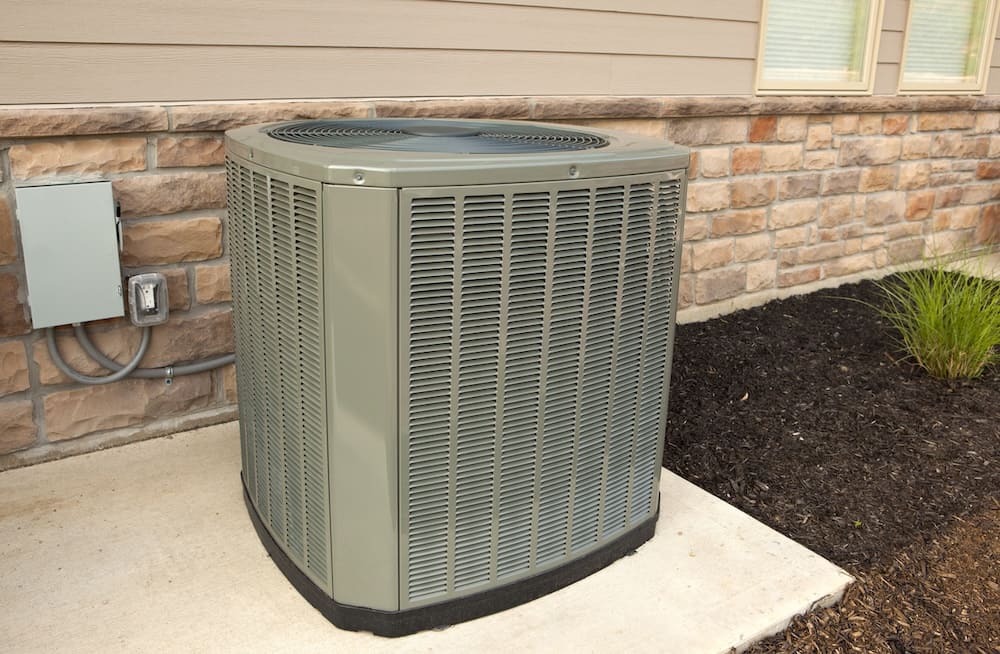
For homeowners, understanding the mechanics of how these tiny white fibers impact your cooling equipment is essential. Your outdoor air conditioning unit relies on a constant, unobstructed flow of air to dissipate the heat removed from your home. When cottonwood seeds are pulled into the delicate fins of your condenser, they create a literal blanket of insulation that chokes the system. A May tune-up is not just a suggestion. It is a necessary defensive maneuver to ensure your home stays cool as the summer heat begins to intensify.
The Science of the Cottonwood Clog
To appreciate the necessity of a May tune-up, one must understand how an air conditioner functions. The outdoor portion of your system, known as the condenser, contains a series of copper coils and aluminum fins. A large fan pulls outdoor air through these fins to cool the refrigerant inside the coils.
The Suction Effect
Your AC unit acts like a giant vacuum cleaner. When the fan engages, it creates a powerful intake of air from all sides of the unit. Because cottonwood seeds are incredibly light and designed to travel on the wind, they are easily drawn toward the condenser. Once they hit the wet or static-charged surfaces of the aluminum fins, they stick.
Creating a Thermal Barrier
As more seeds accumulate, they begin to intertwine, forming a thick, felt-like mat. This mat acts as insulation. Instead of the heat from your home being released into the outdoor air, it is trapped inside the unit. This causes the refrigerant to remain warm, which means your indoor evaporator coil cannot effectively cool the air inside your house.
Increased Mechanical Stress
When the system cannot shed heat, the compressor must work significantly harder and run for longer cycles to reach the temperature set on your thermostat. This increased workload leads to several negative outcomes:
- Overheating: The compressor can reach dangerous temperatures, causing internal components to degrade.
- Lubricant Breakdown: High heat causes the oil that lubricates the moving parts of the compressor to thin out, leading to friction and mechanical failure.
- Electrical Strain: The motor draws more amperage to overcome the resistance, which can lead to tripped breakers or burnt-out capacitors.
Why May is the Critical Month for Maintenance
Timing is everything when it comes to HVAC maintenance. While many people think about their AC in June or July when the heat becomes unbearable, May is actually the most strategic month for a professional visit.
Peak Dispersal Period
In our region, cottonwood trees typically release their seeds from late April through the end of May. By scheduling your tune-up during this window, a technician can clear out the initial accumulation and treat the unit before the heaviest heat of the summer arrives.
Preventative vs. Reactive Cleaning
If you wait until your system stops working in July, you are dealing with a reactive situation. By then, the cottonwood clog has likely been baked onto the coils by weeks of high temperatures, making it much harder to remove. A May tune-up catches the debris while it is still relatively loose and easy to clear, preventing the cascading mechanical failures that occur when a system is choked for weeks on end.
Faster Service Times
Once the first 90-degree day hits, every HVAC company in the city is flooded with emergency repair calls. By booking your service in May, you can secure a convenient appointment time and avoid the premium fees associated with emergency after-hours visits.
What a AAA Service May Tune-Up Includes
A professional tune-up is far more comprehensive than simply spraying your unit with a garden hose. In fact, improper cleaning can actually damage your system. Our technicians follow a rigorous process to combat the effects of the spring season.
Precision Coil Cleaning
We use specialized, non-corrosive chemical cleaners that break down the organic proteins in cottonwood seeds and other debris. We then use a low-pressure rinse to flush the contaminants out from the inside of the fins. Using a high-pressure washer is a common mistake that can bend the delicate aluminum fins, permanently restricting airflow.
Comb and Straighten Fins
If the fins on your unit have been flattened by previous storms or accidental contact, we use a specialized fin comb to realign them. This restores the maximum surface area for heat exchange, ensuring your unit runs as efficiently as possible.
Electrical and Mechanical Calibration
While we are there to fight the cottonwood clog, we also perform a full health check of the system:
- Checking Capacitors: We measure the electrical storage capacity of your start and run capacitors. These often fail during the first heatwave if they are already weakened.
- Testing Refrigerant Levels: Low refrigerant levels combined with a clogged coil is a recipe for a frozen evaporator and a dead compressor.
- Lubricating Motors: We ensure that the fan motor is moving freely and not adding unnecessary heat to the system.
Homeowner Tips for Managing Cottonwood
While a professional tune-up is the cornerstone of system health, there are several things you can do between visits to help your AC survive the cottonwood season.
- Visual Inspections: Once a week in May, walk out to your unit and look at the intake vents. If you see a visible layer of white fluff, your system is struggling.
- Clear the Perimeter: Keep the area around your AC unit clear of tall grass and weeds. The more airflow you have around the base of the unit, the less likely it is to pull in concentrated amounts of debris from the ground.
- Avoid Screen Covers: Some people try to put window screening around their units to catch the cottonwood. We strongly advise against this. Most screens are too restrictive and can cause the same airflow issues as the seeds themselves.
- Gently Brush the Exterior: If you see a heavy layer of fluff, you can use a soft-bristled brush to gently remove the surface layer. Always brush in the direction of the fins, not across them, to avoid bending the aluminum.
The Financial Impact of the Clog
Ignoring the cottonwood clog is an expensive mistake. The impact is felt in both your monthly budget and your long-term savings.
Energy Efficiency Loss
A system with clogged coils can lose up to 30 percent of its efficiency. This means you are paying 30 percent more on your cooling bill just to achieve the same level of comfort. Over the course of a long summer, these extra costs far exceed the price of a professional tune-up.
Premature Replacement
The average air conditioner should last 12 to 15 years. However, a system that is consistently choked by debris and forced to run at high temperatures may fail in as little as 8 or 9 years. Replacing an entire HVAC system five years early is a major financial burden that is easily avoided with simple annual maintenance.
Don’t Let the Fluff Stop the Cool
The arrival of cottonwood seeds is a reminder that summer is just around the corner. Do not let the cottonwood clog catch you off guard. By acting in May, you can clear away the winter and spring debris, optimize your electrical components, and ensure that your air conditioner is ready to handle the heat.
Protect your investment, lower your utility bills, and guarantee your comfort. Contact AAA Service Plumbing, Heating & Electric today to schedule your May tune-up. Let us handle the dirt and the fluff so you can enjoy a cool, worry-free summer.
Recent News
The Colorado Homeowner’s Guide to Hidden Water Leaks: How to Prepare and What to Do When You Suspect One
When to Replace Your Older Furnace in Northern Colorado for Lower Winter Bills

Don’t Wait For a Cold Shower: Signs Your Denver Metro Water Heater Needs Replacing Soon
Can My Denver Electrical Panel Handle a Heat Pump, EV Charger, and Induction Range?
Contact Us Today