We're Hiring — build your career with AAA

Back to Blog
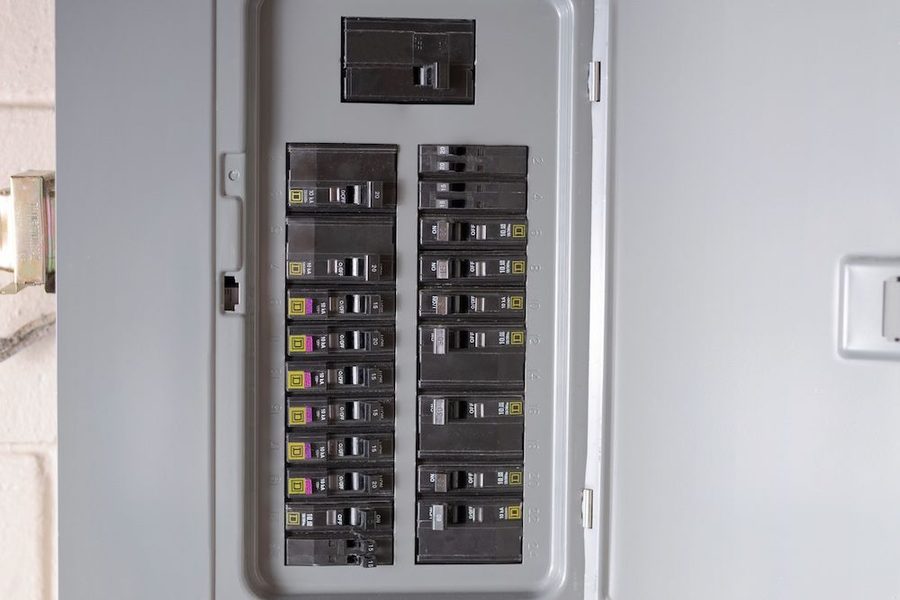
Can My Denver Electrical Panel Handle a Heat Pump, EV Charger, and Induction Range?
More Denver homeowners are considering major electric upgrades such as heat pumps, Level 2 EV chargers, and induction ranges. Each can improve comfort, convenience, or energy efficiency, but installing all three may place a significant new demand on the home’s electrical system.
The answer is not determined by panel size alone. A 200-amp panel may still have limitations, while some homes with smaller services may support selected upgrades through careful planning and load management.
In this guide, we will explain how electricians evaluate electrical panel capacity, what each upgrade adds to your home’s electrical demand, and when a panel or service upgrade may be needed.
Why These Upgrades Require Electrical Planning
Home electrification often means replacing gas-powered equipment with electric alternatives.
Common projects include:
-
Replacing a furnace with a heat pump
-
Installing a Level 2 EV charger
-
Switching from gas to induction cooking
-
Adding a heat pump water heater
-
Planning for solar or battery storage
Each project adds electrical demand. When several upgrades are planned together, the combined load matters more than any single appliance.
Even if the projects will be completed in phases, planning them as one electrical strategy can prevent duplicated work and unexpected costs.
Panel Size Does Not Tell the Whole Story
A 100-, 150-, or 200-amp rating is only one part of the evaluation.
An electrician must also consider:
-
Existing household demand
-
Available breaker space
-
Heating and cooling equipment
-
Water heating
-
Major appliances
-
EV charging output
-
Wiring condition
-
Grounding and bonding
-
Future electrical plans
A panel may have open breaker positions but insufficient service capacity. It may also have enough capacity but no safe space for additional circuits.
That is why a professional load calculation is necessary before adding several large electric loads.
How an Electrical Load Calculation Works
A load calculation estimates how much electricity the home is expected to use under normal and high-demand conditions.
Electricians do not simply add every breaker rating together. Many circuits do not run at full capacity at the same time.
The calculation may include:
-
Home size
-
Lighting and receptacles
-
HVAC equipment
-
Water heating
-
Cooking appliances
-
Clothes dryers
-
EV charging
-
Hot tubs or workshops
-
Other dedicated equipment
The exact specifications of the proposed heat pump, charger, and induction range must also be reviewed.
The result helps determine whether the existing service can support the upgrades or whether load management, a subpanel, panel replacement, or service upgrade should be considered.
How Much Demand Does a Heat Pump Add?
Heat pump electrical requirements vary based on:
-
System size
-
Efficiency
-
Compressor technology
-
Indoor air handler requirements
-
Number of zones
-
Supplemental heating
-
Existing HVAC setup
A ductless system serving one room may require far less power than a whole-home heat pump.
Supplemental electric resistance heat can create a much larger load. These heating elements may operate during very cold weather, defrost cycles, or emergency conditions.
For Denver homes, the electrical assessment should include the exact heat pump model and any proposed backup heat. Looking only at typical operating demand may underestimate the system’s full requirements.
How an EV Charger Affects Panel Capacity
Level 2 EV charging can become one of the largest continuous electrical loads in a home.
Demand depends on:
-
Charger output
-
Vehicle charging capability
-
Circuit size
-
Daily driving needs
-
Charging schedule
-
Adjustable power settings
-
Whether more than one vehicle will charge
A homeowner may not need the fastest possible charging speed. A lower-output Level 2 charger may still replenish the miles used during a typical day while placing less demand on the electrical service.
Because EV charging may continue for several hours, the charger usually requires a dedicated circuit and careful load planning.
What an Induction Range Adds
An induction range provides fast, responsive cooking without burning gas inside the home. It still requires a properly sized electrical circuit.
The impact depends partly on what the range replaces.
Replacing an existing electric range may involve little change if the current wiring and circuit meet the new appliance requirements.
Converting from gas usually adds a new major electrical load. The project may require:
-
A dedicated circuit
-
New wiring
-
A compatible receptacle or hardwired connection
-
Additional breaker space
-
A service capacity review
The appliance specifications should be confirmed before electrical work begins.
Why Adding All Three Can Be Challenging
A heat pump, EV charger, and induction range may each be manageable on their own. The combined demand is what creates limitations for some homes.
Other existing loads may include:
-
Electric water heating
-
Clothes dryers
-
Hot tubs
-
Workshops
-
Electric baseboard heat
-
Multiple HVAC systems
-
Solar or battery equipment
Homes that previously relied on gas for heating, cooking, and water heating may have been designed with less electrical capacity.
Installing several major loads without a whole-home plan can lead to delays, higher costs, or very little room for future upgrades.
Signs Your Panel May Need Attention
Certain conditions suggest that a detailed electrical inspection is needed:
-
A 100-amp service
-
An older fuse box
-
No open breaker positions
-
Frequent breaker trips
-
Flickering lights
-
Warm panel components
-
Buzzing sounds
-
Visible corrosion
-
Scorch marks
-
Previous unpermitted work
-
Outdated panel equipment
These signs do not automatically mean the panel must be replaced. They do mean that new high-demand equipment should not be added without professional evaluation.
Burning odors, heat, arcing sounds, or visible damage require prompt service.
Panel Space and Service Capacity Are Different
Breaker space refers to the physical room available for new circuit breakers.
Service capacity refers to how much electrical demand the home can safely support.
A subpanel can add breaker space and improve circuit organization. It does not increase the total amount of power available from the utility.
If the calculated load is within the home’s service capacity, a subpanel may help accommodate new circuits. If demand exceeds the service rating, a subpanel alone will not solve the problem.
Does a 100-Amp Service Need to Be Upgraded?
Not every 100-amp service must be replaced, but many have limited flexibility for major electrification projects.
A 100-amp home may support selected upgrades when:
-
Existing electrical demand is low
-
Some gas appliances remain
-
The heat pump has modest requirements
-
EV charging output is limited
-
Load-management equipment is used
-
The induction range replaces an existing electric range
Adding a whole-home heat pump, high-output charger, and induction range may be difficult without changes, especially if the home already has other electric appliances.
The decision should be based on a load calculation, not a blanket rule.
Is a 200-Amp Panel Always Enough?
A 200-amp service offers more flexibility, but it is not unlimited.
Capacity can still become tight in homes with:
-
Multiple HVAC systems
-
Electric resistance backup heat
-
More than one EV charger
-
Electric water heating
-
Hot tubs
-
Large workshops
-
Accessory dwelling units
-
Future electrification plans
The panel’s condition also matters. A 200-amp rating does not make damaged or outdated equipment safe.
The electrician must confirm that the service, panel, breakers, conductors, grounding, and bonding are appropriate for the proposed work.
Could Load Management Avoid an Upgrade?
Load management may allow some homes to add new equipment without immediately increasing service capacity.
Possible strategies include:
-
Reducing EV charger output
-
Charging during lower-demand periods
-
Using an EV energy-management system
-
Pausing charging when other major loads operate
-
Selecting heat pump equipment with lower backup heat demand
-
Using smart panels or monitored circuits
An EV energy-management system may adjust charger output based on how much electricity the rest of the home is using.
These solutions must be professionally designed and installed. Compatibility, local requirements, and equipment specifications determine whether load management is appropriate.
Other Electrical Work May Be Needed
The panel is only one part of the project.
The installation may also require:
-
Dedicated circuits
-
New wiring
-
Outdoor disconnects
-
Grounding and bonding corrections
-
Surge protection
-
Weather-rated EV equipment
-
Garage wiring
-
Meter changes
-
Utility coordination
Heat pumps may need separate circuits for indoor and outdoor equipment. EV chargers may require long wiring runs from the panel to a garage or driveway.
Planning these details together can reduce conflicts and simplify future upgrades.
Should You Plan All Three Upgrades Together?
The upgrades do not have to be installed at the same time, but they should be considered together.
Advance planning can determine:
-
Whether a service upgrade is likely
-
Which circuits should be added first
-
Whether conduit should be installed now
-
What EV charging speed is practical
-
How much heat pump backup is appropriate
-
Whether breaker space should be reserved
-
How much future capacity will remain
A homeowner may install the induction range now, add a heat pump next year, and purchase an EV later. Planning for all three can prevent repeated electrical work.
What to Expect During an Electrical Assessment
A professional evaluation may include:
-
Inspecting the main panel
-
Confirming the service rating
-
Reviewing existing circuits
-
Checking panel condition
-
Evaluating grounding and bonding
-
Completing a load calculation
-
Reviewing equipment specifications
-
Identifying wiring routes
-
Checking meter and service equipment
-
Discussing future plans
The electrician may recommend using the existing panel, adding dedicated circuits, installing a subpanel, using load management, or upgrading the electrical service.
The recommendation should clearly explain how the work supports each proposed upgrade.
Plan Your Denver Home Electrification Safely
Your Denver electrical panel may be able to support a heat pump, EV charger, and induction range, but the answer depends on the home’s existing demand, equipment specifications, breaker space, service capacity, and electrical condition.
A professional load calculation is the only reliable way to determine whether you can use the current system, add load management, install a subpanel, or complete a service upgrade.
AAA Service Plumbing, Heating & Electric can evaluate your panel, review your planned equipment, and create an electrical strategy for your current and future needs. Before installing several major electric upgrades, contact us today to schedule an electrical assessment.
Recent News

Don’t Wait For a Cold Shower: Signs Your Denver Metro Water Heater Needs Replacing Soon
Swamp Cooler vs. Central Air: Making the Switch in Northern Colorado

Colorado Drought Conditions Are Getting Worse. Is Your Home Wasting Water?
Combatting ‘Cottonwood Clog’: Why Your AC Needs a May Tune-Up
Contact Us Today