We're Hiring — build your career with AAA

Back to Blog
Colorado Winter Heating Checklist: How to Prepare Your Home for Cold Weather
Colorado winters bring freezing temperatures, heavy snowfall, and sudden weather changes that can test your home’s heating system. Whether you’re preparing for the first cold spell or keeping your home comfortable all season, a few preventive steps can reduce the risk of heating problems when you need warmth most.
A reliable heating system is essential for maintaining indoor comfort, managing energy costs, and protecting your home during extended periods of cold weather. Preparing early also gives you time to address potential issues before they become more serious.
In this guide, we’ll walk through a practical Colorado winter heating checklist, including furnace maintenance, airflow improvements, thermostat testing, heating safety, and warning signs that indicate it’s time to call a professional.
Why Winter Heating Preparation Matters in Colorado
Colorado’s winter weather can be unpredictable, with temperatures sometimes dropping dramatically within a short period. These fluctuations can put extra strain on heating systems, especially when furnaces must run for extended periods to maintain comfortable indoor temperatures.
Without proper maintenance, your heating system may struggle to keep up with colder conditions. Dirty components, restricted airflow, and worn parts can reduce efficiency, cause inconsistent heating, and lead to unexpected breakdowns.
Preparing your heating system before winter offers several important benefits:
-
Improved reliability: Routine maintenance helps identify potential problems before they interrupt your home’s heating.
-
Better energy efficiency: A properly maintained system can operate more efficiently and reduce unnecessary energy consumption.
-
Consistent indoor comfort: Addressing airflow and performance issues helps maintain more even temperatures throughout your home.
-
Reduced repair risks: Identifying worn components early may prevent more expensive heating problems.
For Colorado homeowners, winter heating preparation is key to keeping the home comfortable and ready for whatever the season brings.
Schedule Professional Furnace Maintenance Before Winter
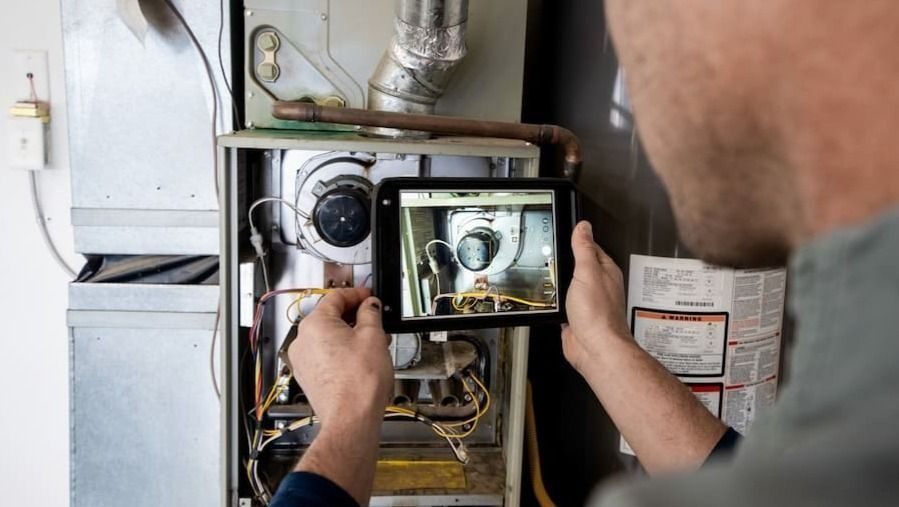
One of the most important steps on your Colorado winter heating checklist is scheduling professional furnace maintenance. Ideally, homeowners should arrange a heating system inspection during the fall, before consistently cold temperatures arrive.
During a professional furnace tune-up, an HVAC technician can evaluate critical components and identify conditions that might affect system performance or safety.
A typical heating maintenance appointment may include:
-
Inspecting the heat exchanger for signs of damage or deterioration.
-
Checking burners and ignition components.
-
Testing electrical connections and safety controls.
-
Evaluating blower motor operation and airflow.
-
Inspecting venting and exhaust components.
-
Checking overall heating performance and system operation.
These inspections are particularly important for gas furnaces, where proper combustion and ventilation are essential for safe operation.
Even if your furnace appears to be working normally, underlying issues may develop without obvious warning signs. Annual maintenance lets you address these concerns before your heating system faces the demands of another Colorado winter.
If you haven’t scheduled a furnace tune-up recently, arranging professional service before the next major cold spell is a worthwhile precaution.
Replace Air Filters and Check Your Home’s Airflow
Proper airflow is essential for efficient heating. When your furnace filter becomes clogged with dust, pet hair, and other airborne particles, your heating system may have to work harder to circulate warm air throughout your home.
Restricted airflow can cause uneven temperatures, higher energy use, and unnecessary strain on your heating equipment.
Homeowners can improve airflow by following a few simple winter heating maintenance steps:
-
Check your furnace filter: Inspect it monthly and replace it according to the manufacturer’s recommendations.
-
Keep supply vents open: Make sure furniture, rugs, and other household items aren’t blocking airflow.
-
Inspect return air vents: Keep return grilles clear so air can circulate properly.
-
Watch for temperature differences: Rooms that stay unusually cold may indicate airflow or ductwork problems.
Filter replacement frequency depends on the filter type, household conditions, and manufacturer recommendations. Homes with pets or higher dust levels may require more frequent changes.
Maintaining proper airflow helps your heating system distribute warmth more effectively during Colorado’s coldest months.
Test Your Thermostat and Heating System
Before winter temperatures settle in, test your thermostat and confirm your heating system responds correctly.
Start by switching your thermostat to heating mode and setting the temperature a few degrees above the current indoor temperature. After its normal startup sequence, your furnace should begin operating and deliver warm air through the home’s vents.
While the system runs, monitor its performance. Unusual sounds, inconsistent airflow, or difficulty reaching the selected temperature may indicate a developing problem.
Consider these additional thermostat tips:
-
Replace thermostat batteries if your model requires them.
-
Confirm that programmed heating schedules match your household routine.
-
Check that the thermostat displays an accurate indoor temperature.
-
Avoid placing heat-producing electronics near the thermostat.
If you use a programmable or smart thermostat, adjusting temperatures during sleeping hours or when you’re away from home for extended periods may help reduce heating costs.
Testing your equipment early lets you schedule furnace repairs before freezing weather makes heating problems more urgent.
Seal Drafts and Improve Your Home’s Insulation
Even a well-maintained furnace can struggle to keep your home comfortable when warm air escapes through gaps around windows, doors, and other openings.
Colorado’s cold temperatures make proper insulation and draft prevention especially important. Reducing heat loss can help your heating system maintain indoor temperatures without running unnecessarily.
Start by inspecting areas where outside air commonly enters your home. These include exterior doors, window frames, attic access points, and openings around plumbing or electrical penetrations.
Several practical improvements can help reduce winter heat loss:
-
Install weatherstripping around exterior doors.
-
Seal appropriate gaps around windows and door frames.
-
Inspect attic insulation for missing or damaged areas.
-
Use insulated curtains to help reduce heat loss through windows.
-
Close fireplace dampers when you aren’t using the fireplace.
Avoid sealing furnace combustion air openings or ventilation components, as these are necessary for safe equipment operation.
Improving your home’s insulation and sealing drafts can complement regular furnace maintenance and help your heating system work more effectively throughout the winter.
Check Carbon Monoxide Detectors and Heating Safety
Heating safety should be a priority for every Colorado homeowner, particularly those using natural gas furnaces or other fuel-burning appliances.
Carbon monoxide is an odorless, colorless gas that can be produced when fuel-burning equipment malfunctions or does not vent properly. Because you can’t detect it by smell, working carbon monoxide alarms are essential.
Before winter arrives, test your carbon monoxide detectors and replace batteries when necessary. Follow the manufacturer’s instructions and local requirements for alarm placement, including near sleeping areas and on each level of your home.
Additional winter heating safety precautions include keeping combustible materials away from furnaces, maintaining clear access to equipment, and ensuring exterior exhaust vents remain unobstructed by snow or debris.
Never attempt to repair gas connections, combustion components, or furnace venting without professional training.
If a carbon monoxide alarm sounds, move everyone outside to fresh air immediately and contact emergency services. Do not reenter until authorities confirm the building is safe.
Professional furnace inspections provide another layer of protection by identifying equipment conditions that could create safety concerns.
Know the Warning Signs Your Furnace Needs Repair
Even with preventive maintenance, heating systems can develop problems during heavy winter use. Recognizing early warning signs can help you address issues before your furnace stops working entirely.
Some of the most common signs your furnace needs professional attention include:
-
Unusual noises: Banging, rattling, grinding, or squealing sounds may indicate mechanical problems.
-
Uneven heating: Significant temperature differences between rooms can suggest airflow or system performance issues.
-
Frequent cycling: A furnace that repeatedly turns on and off may have a thermostat, airflow, or equipment problem.
-
Higher heating bills: Unexpected increases in energy consumption may indicate reduced system efficiency.
-
Insufficient heat: A furnace that runs but doesn’t adequately warm your home may need repairs.
-
Unusual odors: Persistent burning smells or other unfamiliar odors should be evaluated promptly.
Some warning signs require immediate action. If you smell natural gas, leave the building immediately and contact your gas utility or emergency services from a safe location.
Don’t ignore small performance changes just because your furnace keeps producing heat. Addressing concerns early may help prevent more significant repairs during Colorado’s coldest weather.
Keep Your Colorado Home Comfortable All Winter With AAA Service
Preparing your home for Colorado’s winter weather doesn’t have to be complicated. By scheduling furnace maintenance, replacing air filters, checking your thermostat, improving insulation, and reviewing heating safety precautions, you can help your system operate reliably throughout the colder months.
A proactive approach also makes it easier to identify potential problems before they affect your family’s comfort. While homeowners can handle many basic winter prep tasks, professional HVAC service remains essential for inspecting internal components, evaluating safety controls, and repairing heating systems.
At AAA Service Plumbing, Heating & Electric, we understand how important dependable heating is when Colorado temperatures drop. Our team can help homeowners prepare their heating systems for winter with professional maintenance, troubleshooting, and repair services.
Don’t wait until your furnace stops working during a winter cold spell. Contact AAA Service Plumbing, Heating & Electric today to schedule heating maintenance or service and keep your Colorado home warm and comfortable all season long.
Recent News
The Colorado Homeowner’s Guide to Hidden Water Leaks: How to Prepare and What to Do When You Suspect One
When to Replace Your Older Furnace in Northern Colorado for Lower Winter Bills
Don’t Wait For a Cold Shower: Signs Your Denver Metro Water Heater Needs Replacing Soon
Can My Denver Electrical Panel Handle a Heat Pump, EV Charger, and Induction Range?
Contact Us Today