We're Hiring — build your career with AAA

Back to Blog
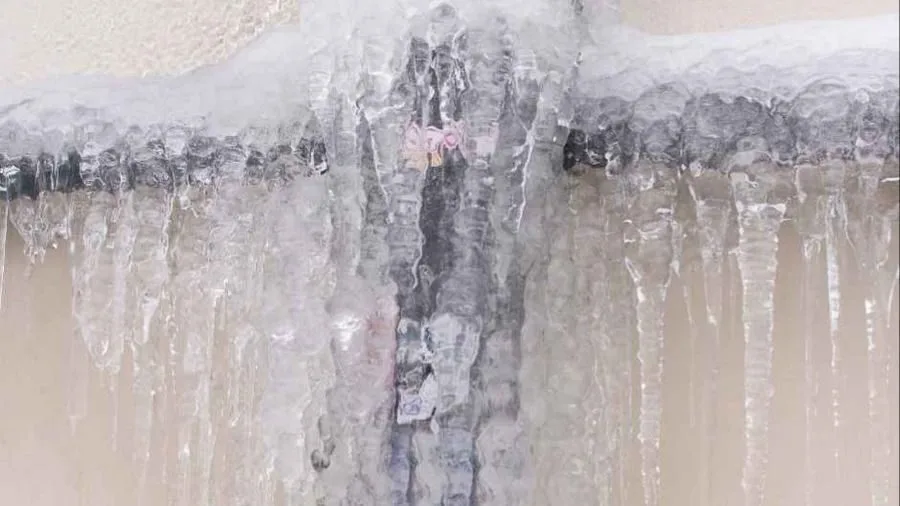
How to Prevent Pipe Freezes in CO Cold Snaps
Colorado winters can be unpredictable, especially along the Front Range, where temperatures can drop dramatically in hours. For homeowners in Denver, Aurora, Lakewood, and surrounding communities, sudden cold snaps can create serious plumbing concerns. When temperatures fall below freezing, exposed or poorly insulated water pipes may freeze, potentially leading to costly water damage.
Frozen pipes aren’t just an inconvenience. Ice blockages can create pressure inside plumbing lines, increasing the risk of pipe ruptures and leaks that may not become visible until temperatures rise. Fortunately, taking preventative steps before extreme cold arrives can help reduce these risks.
In this guide, we’ll explain how to prevent frozen pipes during Colorado cold snaps, which areas of your home are most vulnerable, and what to do if your plumbing freezes.
Why Do Pipes Freeze During Colorado Cold Snaps?
Water pipes freeze when indoor temperatures drop low enough for water to turn into ice. Although water freezes at approximately 32°F, outdoor temperatures don’t directly determine when a pipe will freeze.
Several factors influence freezing risk, including pipe location, insulation, exposure to cold air, and how long freezing conditions persist. A pipe inside a heated room may remain protected while another pipe in an unheated garage freezes during the same weather event.
When water freezes inside a pipe, an ice blockage can restrict normal flow. Pressure may build between the blockage and a closed faucet, potentially causing the pipe to rupture.
Interestingly, a pipe doesn’t always burst where the ice forms. Damage may occur elsewhere along the affected line, and leaks may not become noticeable until the ice thaws.
Colorado’s rapid temperature changes make preparation particularly important. A relatively mild afternoon can quickly transition into a freezing night, leaving vulnerable plumbing exposed before homeowners realize there’s a problem.
Which Pipes Are Most Likely to Freeze in Your Home?
Not every water pipe in your home faces the same freezing risk. Plumbing located in heated interior spaces is generally better protected than pipes exposed to outdoor temperatures or unconditioned areas.
Common problem locations include:
-
Exterior wall plumbing: Pipes running through poorly insulated exterior walls may be exposed to colder temperatures.
-
Crawl spaces: Unheated or drafty crawl spaces can allow freezing air to reach water lines.
-
Garages: Plumbing in attached or detached garages may freeze when indoor temperatures drop.
-
Basements: Pipes near foundation openings, rim joists, or poorly sealed areas may be vulnerable.
-
Attics: Water lines in unconditioned attic spaces can experience significant temperature fluctuations.
-
Outdoor faucets: Hose bibbs and exterior plumbing connections are directly exposed to winter conditions.
-
Unheated utility areas: Laundry rooms, workshops, and other spaces without reliable heating may contain vulnerable plumbing.
Older homes throughout Denver, Arvada, and Lakewood may have plumbing configurations that leave certain pipes exposed. However, newer homes can also experience frozen pipes when insulation, air sealing, or heating conditions are inadequate.
Identifying vulnerable plumbing before winter arrives gives homeowners an opportunity to address potential problems before temperatures drop.
How Can You Prevent Pipes From Freezing Overnight?
Preventing frozen pipes starts with reducing exposure to freezing temperatures. During Colorado cold snaps, several practical steps can help protect your home’s plumbing.
Consider these preventative measures:
-
Maintain consistent indoor heat: Keep your heating system operating during freezing weather, including overnight and when you’re away.
-
Insulate exposed pipes: Install appropriate pipe insulation around accessible water lines in garages, crawl spaces, and other vulnerable areas.
-
Seal cold air leaks: Address drafts around plumbing penetrations, foundation openings, and exterior walls.
-
Open cabinet doors: Let warmer indoor air circulate around pipes beneath sinks along exterior walls.
-
Disconnect garden hoses: Remove hoses from outdoor faucets before freezing temperatures arrive.
-
Protect exterior plumbing: Winterize hose bibbs, irrigation connections, and other exposed fixtures.
-
Consider dripping vulnerable faucets: During extreme cold, a small amount of water movement may help reduce freezing risk in certain plumbing lines.
-
Locate your main water shutoff: Know how to stop the water supply if a pipe bursts or begins leaking.
These precautions work best when used together. Pipe insulation, for example, slows heat loss but doesn’t generate heat, so plumbing in an unheated area may still freeze during prolonged cold.
Homeowners leaving town during winter should also maintain adequate indoor temperatures and consider arranging for someone to check the property. A heating system failure during an extended absence can let indoor temperatures drop enough to threaten vulnerable plumbing.
Should You Let Faucets Drip During Extreme Cold?
Allowing a faucet to drip during freezing weather is a commonly recommended frozen pipe prevention technique. In some situations, keeping a small flow of water moving through vulnerable plumbing can reduce the likelihood of freezing.
Dripping faucets may also help relieve pressure if an ice blockage begins forming elsewhere in the line. However, this method doesn’t guarantee that pipes will remain unfrozen.
The effectiveness of dripping depends on the plumbing layout, water temperature, outdoor conditions, and which pipes are exposed. Both hot and cold supply lines can freeze, so homeowners shouldn’t assume that protecting one side of a faucet addresses every vulnerable pipe.
Dripping also increases water consumption. For this reason, it is generally best considered an additional precaution during extreme cold rather than a substitute for proper insulation, air sealing, and indoor heating.
If you’re unsure which plumbing lines are vulnerable, a professional plumbing evaluation can help identify areas that may need additional protection.
How Do You Winterize Outdoor Faucets and Exposed Pipes?
Outdoor faucets are particularly vulnerable during Colorado winters because they are directly exposed to freezing temperatures. Even frost-free hose bibbs can develop problems when hoses remain connected or the fixtures aren’t installed correctly.
Before freezing weather arrives, homeowners should:
-
Disconnect garden hoses: Remove hoses so water can drain from exterior faucet assemblies.
-
Shut off exterior water supplies: Close interior shutoff valves where the plumbing system provides them.
-
Drain outdoor lines: Follow the appropriate procedures for draining exterior faucets and connected plumbing.
-
Install faucet covers: Use suitable insulated covers for additional protection where appropriate.
-
Insulate exposed pipes: Protect accessible water lines in garages, crawl spaces, and other unheated locations.
-
Winterize irrigation systems: Follow manufacturer recommendations or arrange professional winterization to protect sprinkler components.
Outdoor faucet covers can help reduce exposure, but they aren’t a substitute for properly draining plumbing designed to be winterized.
For homes with irrigation systems, prepare before sustained freezing temperatures arrive. Water left in exposed irrigation components can expand when it freezes and damage pipes, valves, or other equipment.
What Are the Warning Signs of Frozen Pipes?
Frozen pipes don’t always show obvious warning signs right away. In some cases, homeowners first discover a problem when a faucet stops working or water pressure suddenly decreases.
Common warning signs include:
-
Little or no water flow: An ice blockage may restrict water from reaching a faucet.
-
Unexpected pressure changes: Reduced water pressure during freezing weather may indicate a developing obstruction.
-
Visible frost or ice: Exposed plumbing may show signs of freezing.
-
Bulging or damaged pipes: Changes in pipe shape can indicate serious problems.
-
Unusual plumbing noises: Changes in water movement may produce unfamiliar sounds.
-
Moisture or water stains: Leaks may develop when a frozen pipe begins thawing.
-
Water appearing after temperatures rise: A damaged pipe may begin leaking once ice melts and normal flow returns.
These symptoms can have causes other than frozen plumbing. However, sudden changes in water flow during a Colorado cold snap deserve prompt attention.
If you suspect a frozen pipe, avoid forcing water through the affected plumbing or attempting repairs without understanding the line’s condition.
What Should You Do if Your Pipes Freeze?
Discovering a frozen pipe can be stressful, particularly when outdoor temperatures remain below freezing. Taking the right precautions can help reduce the risk of further damage.
Start with these steps:
-
Locate your main water shutoff valve: Be prepared to stop the water supply if a leak develops.
-
Check for visible damage: Look for cracks, bulging, or leaks, but don’t disturb damaged plumbing.
-
Avoid open flames: Never use a torch, propane heater, or other flame-based equipment to thaw frozen pipes.
-
Use caution around electricity: Keep electrical devices away from standing water and potentially damaged wiring.
-
Monitor for leaks: Water may begin escaping when an ice blockage thaws.
-
Contact a plumbing professional: Get help if the frozen section is inaccessible, damage is visible, or you can’t safely restore water flow.
If a pipe bursts or begins leaking, shut off the main water supply immediately when it is safe to do so. If water is near electrical outlets, appliances, or wiring, avoid the affected area until electrical hazards are addressed.
Homeowners should also avoid repeatedly applying heat to inaccessible plumbing inside walls or ceilings. Improper thawing methods can create fire hazards, damage pipes, or cause additional problems.
Professional frozen pipe repair can help identify the affected section, evaluate potential damage, and determine the appropriate next steps.
Protect Your Plumbing With AAA Service Plumbing, Heating & Electric
Colorado cold snaps can put vulnerable plumbing at risk, especially when freezing temperatures arrive suddenly or remain below zero for extended periods. Taking preventative steps such as insulating exposed pipes, maintaining indoor heat, and winterizing outdoor faucets can help reduce the likelihood of frozen and burst pipes.
At AAA Service Plumbing, Heating & Electric, we help homeowners throughout Denver and surrounding Colorado communities address plumbing concerns and prepare for winter conditions. Whether you’re worried about exposed plumbing, experiencing reduced water flow, or dealing with a suspected frozen pipe, identifying the problem early can help limit potential damage.
To protect your home before the next Colorado cold snap or if you need help with frozen plumbing, contact AAA Service Plumbing, Heating & Electric today. Our team can help evaluate your plumbing system and recommend appropriate solutions to keep your water flowing throughout the winter.
Recent News
Colorado Winter Heating Checklist: How to Prepare Your Home for Cold Weather
The Colorado Homeowner’s Guide to Hidden Water Leaks: How to Prepare and What to Do When You Suspect One
When to Replace Your Older Furnace in Northern Colorado for Lower Winter Bills
Don’t Wait For a Cold Shower: Signs Your Denver Metro Water Heater Needs Replacing Soon
Contact Us Today