4.8 Google Rating

Back to Blog
How the High Altitude Impacts Your Furnace and Air Conditioning in Colorado
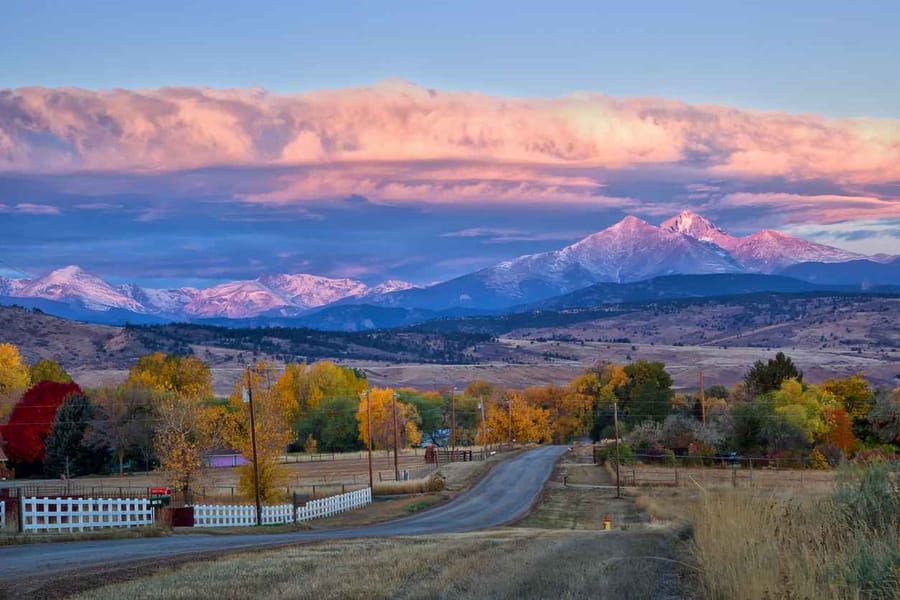
Colorado’s high altitude climate is known for its stunning mountain views, low humidity, and rapid temperature swings. What many homeowners do not realize is that elevation also has a major impact on furnace and air conditioning performance. Above 5,000 feet, the air becomes thinner and contains less oxygen, which affects how heating and cooling systems operate. Furnaces may not produce as much heat as expected, and air conditioners may struggle to remove warmth from indoor air efficiently.
Understanding how high altitude influences your HVAC system helps you prevent performance issues, reduce energy waste, and avoid unnecessary repairs. This blog explains how Colorado’s elevation affects furnaces and air conditioners, the adjustments your equipment may need, and the signs that your system is not calibrated for local conditions.
How High Altitude Affects Furnace Performance
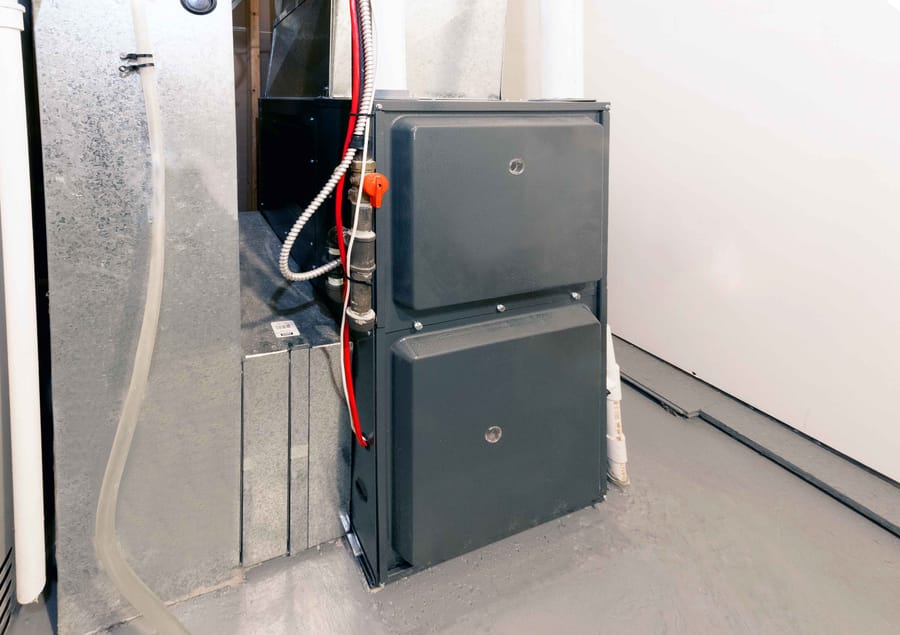
Furnaces rely on oxygen for proper combustion, and Colorado’s thinner air makes that process more difficult. At higher elevations, there is less oxygen available for fuel to burn efficiently, which affects both heat output and overall system performance. This is why many furnaces in Colorado require adjustments or derating to operate safely and effectively.
Lower Air Density Affecting Burner Efficiency
With less oxygen available, burners cannot produce the same amount of heat they would at sea level. This reduced combustion efficiency leads to:
-
Lower heating output
-
Longer run times
-
Uneven temperatures in the home
Manufacturers often specify altitude limits and adjustment requirements to ensure furnaces operate correctly in Colorado’s elevation.
Carbon Monoxide Risks and Safety Considerations
Improper combustion at high altitude can increase the risk of carbon monoxide production. Common reasons include:
-
Burners that are not adjusted for thin air
-
Incomplete fuel combustion
-
Blocked or improperly vented exhaust
Colorado homeowners should always ensure their furnace is calibrated for local elevation and equipped with working carbon monoxide detectors for added safety.
High Altitude Impact on Air Conditioning Systems
Air conditioning systems cool your home by transferring heat from indoors to outdoors. At high altitude, the thinner air has less density, which affects how efficiently the system can release heat. This reduced heat transfer ability impacts cooling capacity and may cause your AC to work harder than expected during Colorado’s warm summer days.
Reduced Heat Transfer Efficiency
At higher elevations, outdoor air cannot absorb heat from the refrigerant as efficiently. As a result:
-
Cooling capacity decreases
-
AC run times increase
-
Indoor temperatures may climb during peak heat
This reduction in performance is normal for high altitude environments, but proper system calibration can help compensate.
Higher Refrigerant Pressures and Performance Changes
Because the air is thinner, refrigerant pressure levels inside your AC system can shift. Changes may include:
-
Higher discharge pressures
-
Lower suction pressures
-
More strain on compressors
These pressure changes make it essential that air conditioning systems in Colorado are charged and configured specifically for the elevation.
Common HVAC Problems in Colorado’s Elevation
High altitude conditions create unique challenges for heating and cooling systems. Colorado homeowners often experience performance issues that have nothing to do with age or wear and everything to do with elevation. Understanding these problems helps you identify whether your HVAC system needs adjustment rather than repair.
Short Cycling or Weak Heating
Furnaces that are not calibrated for high altitude may:
-
Produce less heat than expected
-
Run in short, frequent cycles
-
Fail to reach the set temperature
-
Struggle during cold snaps
These issues often stem from improper combustion caused by reduced oxygen levels.
AC Systems That Cannot Keep Up During Peak Season
Because air conditioners lose efficiency at altitude, many Colorado homeowners report:
-
AC units running continuously
-
Warm or uneven temperatures in the home
-
Difficulty cooling during afternoons or heat waves
These problems do not always mean the system is failing. They may simply indicate it is not adjusted for local altitude or is undersized for the reduced cooling capacity.
Equipment Adjustments Needed for High Altitude Homes
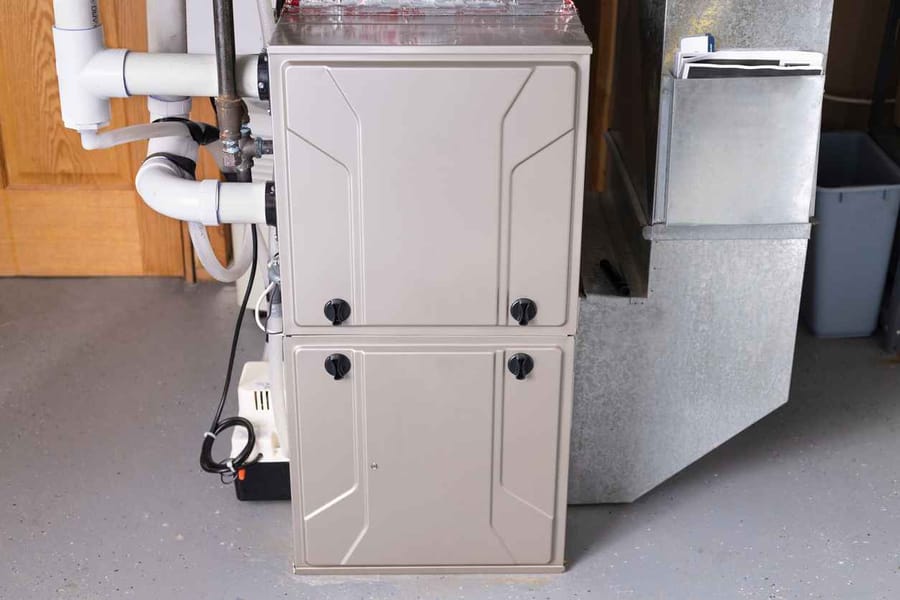
At elevations above 5,000 feet, both furnaces and air conditioners require specific adjustments to operate safely and efficiently. These modifications ensure that the system compensates for thinner air, reduced oxygen levels, and changes in refrigerant behavior. Without these adjustments, HVAC equipment may underperform or experience premature wear.
Adjusting Gas Pressure and Combustion Settings
Furnaces often need altitude specific changes such as:
-
Lowered gas input pressure
-
Adjusted burner settings
-
Specialized high altitude burner orifice kits
-
Updated combustion air mixtures
These adjustments help the furnace burn fuel properly and maintain safe carbon monoxide levels.
Ensuring Correct Refrigerant Charge and Airflow
Air conditioners also require tuning to accommodate thinner air. Important adjustments include:
-
Setting refrigerant charge based on altitude
-
Verifying airflow across coils
-
Ensuring the condenser fan operates efficiently in low density air
-
Matching the system to the correct outdoor unit size for elevation
A properly calibrated AC system will run more efficiently and reduce strain on the compressor.
Improving Furnace and AC Efficiency at High Elevation
While Colorado’s altitude presents unique challenges, homeowners can take several steps to improve HVAC performance and maintain comfort year round. Proper maintenance, airflow improvements, and equipment upgrades all play a key role in helping your furnace and air conditioner operate more efficiently in thinner air.
Upgrading Filters, Sealing Ducts, and Improving Insulation
Better airflow and reduced heat loss can make a significant difference. Helpful improvements include:
-
Installing high quality furnace filters that allow strong airflow
-
Sealing duct leaks to prevent conditioned air from escaping
-
Adding insulation to attics, basements, and crawl spaces
-
Ensuring vents and registers are fully open and unobstructed
These upgrades help offset altitude related performance losses and improve indoor comfort.
Choosing High Altitude Rated HVAC Equipment
Not all HVAC models are designed for high elevation. When replacing a furnace or AC unit, homeowners should consider:
-
Systems that include high altitude kits from the manufacturer
-
Furnaces rated for reduced oxygen environments
-
AC units designed for efficient operation in thinner air
-
Variable speed systems that adapt better to climate changes
Choosing equipment designed for Colorado’s conditions ensures better performance and fewer service issues.
Signs Your HVAC System Is Struggling at High Altitude
A furnace or air conditioner that is not calibrated for Colorado’s elevation will show clear signs of performance issues. Knowing what to watch for can help you catch problems early and prevent unnecessary strain on your system.
Odd Smells, Noises, or Inconsistent Temperatures
Common indicators include:
-
Hot or cold spots throughout the home
-
Strange odors during furnace startup
-
Whistling or rattling noises from the HVAC system
-
Weak airflow even with clean filters
These symptoms may point to improper combustion, airflow problems, or altitude related efficiency loss.
Rising Energy Bills and Longer Run Times
If your system is working harder than usual, you may notice:
-
Higher heating or cooling costs
-
Furnace or AC cycles that run much longer
-
Difficulty reaching or maintaining set temperatures
-
Frequent cycling on very hot or cold days
These issues often suggest the system is not properly adjusted for high altitude performance.
Optimize Your HVAC System With Colorado’s High Altitude Experts
Colorado’s elevation creates unique challenges that impact how furnaces and air conditioners perform. When your HVAC system is properly calibrated for high altitude, you gain better comfort, improved efficiency, and longer equipment life. Whether you are experiencing uneven temperatures, rising energy bills, or frequent cycling, an altitude specific evaluation can make all the difference.
AAA Service Plumbing, Heating and Electric specializes in adjusting, repairing, and installing HVAC systems for Colorado’s demanding climate. Our experienced technicians ensure your equipment is set up correctly for local elevation and running at peak performance.
Contact AAA Service today to schedule a high altitude HVAC inspection and enjoy reliable comfort in every season.