We're Hiring — build your career with AAA

Back to Blog
How Often Should Colorado Homeowners Change Their Furnace Filter?
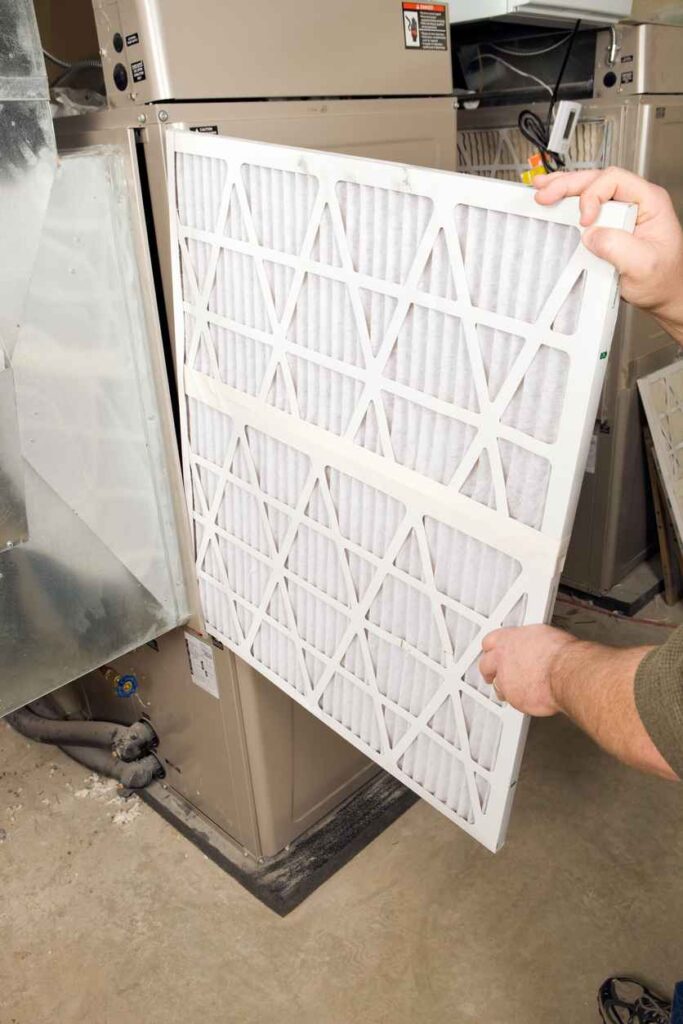
Your furnace filter plays an important role in keeping your HVAC system running efficiently and maintaining the air quality in your home. But how often should you actually change it?
For most homes, checking your furnace filter every 30 days and replacing it every 1–3 months is a good rule of thumb. However, the right schedule depends on the type of filter you use, how often your HVAC system runs, whether you have pets, and your home’s indoor air quality needs.
Instead of relying only on the calendar, it’s a good idea to regularly inspect your filter and replace it when it becomes visibly dirty.
How Do You Know When Your Furnace Filter Needs to Be Changed?
One of the easiest ways to determine whether it’s time for a new filter is simply to look at it. A clean filter should allow air to pass through easily. If the filter is covered in dust, dirt, pet hair, or other debris, it’s probably time for a replacement.
Other signs that your furnace filter may need to be changed include:
- Increased dust buildup around vents and furniture
- Unusual odors coming from your vents
- Reduced airflow or weak heating performance
- Higher energy bills without any changes in usage
If you notice any of these issues, checking and replacing the furnace filter could be the solution.
What Can Make a Furnace Filter Get Dirty Faster?
Every home is different, so there isn’t one replacement schedule that works for everyone. Several factors can cause your filter to collect debris more quickly, such as:
Household Size and Occupants
The more people living in your home, the more dust, dirt, and debris accumulate. Homes with larger families typically require more frequent filter changes to maintain proper airflow.
Pets
If you have pets, their fur and dander can clog the filter faster. Homes with one or more pets may need to change their furnace filter every 30 to 60 days to maintain clean air and efficiency.
Allergies or Asthma
For households with allergy sufferers or individuals sensitive to airborne particles, it’s a good idea to replace the filter more often, sometimes as frequently as every 20 to 30 days. Clean filters can help minimize allergens and improve indoor air quality.
Seasonal Use
During peak heating months, such as winter, your furnace works overtime, meaning the filter will need replacement more frequently than during off-seasons.
Does the Type of Furnace Filter Matter?
Yes. Furnace filters come in different sizes, materials, and efficiency ratings, and these differences can affect how frequently they need to be replaced.
Thin fiberglass filters generally need to be changed more frequently, while thicker pleated filters may last longer. However, a filter’s advertised lifespan should be treated as a guideline rather than a guarantee.
The best approach is to follow the manufacturer’s recommendations while still inspecting your filter regularly.
Why Is Changing Your Furnace Filter Important?
Replacing a dirty filter isn’t just about keeping dust out of your home. Your HVAC system depends on adequate airflow to operate properly.
When a filter becomes clogged, your furnace or air conditioner may have to work harder to move air through the system. Regular filter replacement can help:
- Maintain proper airflow
- Support HVAC efficiency
- Reduce unnecessary strain on your system
- Improve indoor air quality
- Reduce dust and airborne debris
- Help your heating and cooling equipment perform as intended
It’s one of the simplest preventative maintenance tasks homeowners can perform.
Keep Your Furnace Running Smoothly with AAA Service
Regular filter maintenance is key to maintaining a healthy and efficient furnace. By understanding how often to change your furnace filter and staying on top of replacements, you’ll benefit from better indoor air, lower energy costs, and fewer HVAC problems.
For all your furnace maintenance, repairs, and replacement needs, contact AAA Service Plumbing, Heating, and Electric today. Our professional team is ready to keep your home warm and your system running at peak performance.
Recent News
The Colorado Homeowner’s Guide to Hidden Water Leaks: How to Prepare and What to Do When You Suspect One
When to Replace Your Older Furnace in Northern Colorado for Lower Winter Bills
Don’t Wait For a Cold Shower: Signs Your Denver Metro Water Heater Needs Replacing Soon
Can My Denver Electrical Panel Handle a Heat Pump, EV Charger, and Induction Range?
Contact Us Today