We're Hiring — build your career with AAA

Back to Blog
The Colorado Homeowner’s Guide to Hidden Water Leaks: How to Prepare and What to Do When You Suspect One
A sudden plumbing leak is every homeowner’s nightmare, especially when it starts while you’re away at work, running errands, or on vacation. Without anyone there to notice, even a small pinhole leak or failing appliance hose can release hundreds of gallons of water, severely damaging floors, drywalls, cabinetry, and personal belongings in a matter of hours.
Living in Colorado brings unique plumbing challenges, from seasonal freeze-and-thaw cycles that stress pipes to sudden temperature drops that lead to burst lines. Knowing how to prepare your home ahead of time (and knowing exactly what to do the moment you suspect a hidden leak) can save you thousands of dollars in repairs and remediation.
Here is your comprehensive guide to protecting your Colorado home from unexpected water leaks.
How to Prepare Your Home Before a Water Leak Happens
When a pipe bursts or an appliance line breaks, every second counts. Preparing your home in advance ensures you can react instantly to minimize damage.
Locate and Test Your Main Water Shutoff Valve
If a major leak occurs, shutting off the main water line is your very first line of defense.
- Where to find it: In most Colorado homes, the main shutoff valve is located in the basement, crawl space, or utility room near the water heater or water meter. It may also be located near an exterior wall where the main supply line enters the home.
- How to test it: Turn the valve clockwise to close it, then turn on a sink faucet to ensure the water flow stops completely. If the valve is stuck or leaking when turned, call a professional plumber to have it inspected or replaced before an emergency happens.
Invest in Smart Water Monitoring & Shutoff Technology
While manual shutoff valves are essential, they only work if you are home to turn them. Modern technology makes it possible to protect your home 24/7, even when you’re out of town.
Installing a smart monitor like the Flo Smart Water Monitor and Shutoff by Moen, provides advanced protection by:
- Monitoring Water Flow: Continuous tracking of water pressure, flow rate, and temperature to detect leaks as small as one drop per minute.
- Sending Mobile Alerts: Instant notifications sent directly to your phone if unusual water activity is detected.
- Automatic Shutoff: Depending on your settings, the system can automatically close your main water valve to prevent catastrophic flooding if a major leak is detected while you’re away.
Take Local Seasonal Precautions
Colorado winters are notorious for sudden hard freezes. Protect your pipes before temperatures plunge:
- Insulate exposed pipes in unheated areas like basements, crawl spaces, and garages.
- Disconnect garden hoses from outdoor spigots before the first freeze.
- Keep your thermostat set to at least 55°F, even when traveling, and open cabinet doors under sinks during extreme cold to allow warm air to circulate around plumbing fixtures.
Early Signs You Might Have a Hidden Leak
Not all leaks cause obvious flooding; many start small behind drywall or beneath flooring. Watch out for these subtle red flags:
- Unexplained Spikes in Your Water Bill: If your water usage habits haven’t changed but your monthly bill suddenly surges, water is likely escaping somewhere in your system.
- Damp Spots or Discoloration: Look for warping, bubbling paint, soft spots on drywall, or dark patches on ceilings and hardwood floors.
- Musty Odors: A persistent earthy or musty smell often indicates hidden moisture and mold growth inside walls or under subflooring.
- Sound of Running Water: Hearing trickling or rushing water when no faucets, showers, or appliances are running.
- Warm Spots on the Floor: A warm patch on a tile or concrete slab floor can signal a hot water line leak beneath your foundation (a slab leak).
What to Do When You Suspect a Hidden Leak
If you notice any of the warning signs above or suspect water is leaking somewhere in your home, follow these four immediate steps:
Step 1: Shut Off the Main Water Valve
Stop the flow of water immediately by turning off your home’s main shutoff valve. This halts active damage while you investigate.
Step 2: Run a Quick Water Meter Test
If you aren’t sure where the leak is coming from, your water meter can confirm whether water is actively escaping:
- Ensure all faucets, appliances, and ice makers are turned off.
- Locate your outdoor water meter pit or indoor meter display.
- Watch the low-flow indicator (often a small red/blue triangle or dial). If it is spinning while all water is shut off, you have an active leak.
Step 3: Document the Damage for Insurance
Before beginning any cleanup, take clear photographs and videos of standing water, damaged flooring, walls, and affected personal property. Keep detailed notes and receipts for any emergency supplies purchased; these will be vital when filing a home insurance claim.
Step 4: Contact a Licensed Plumbing Professional
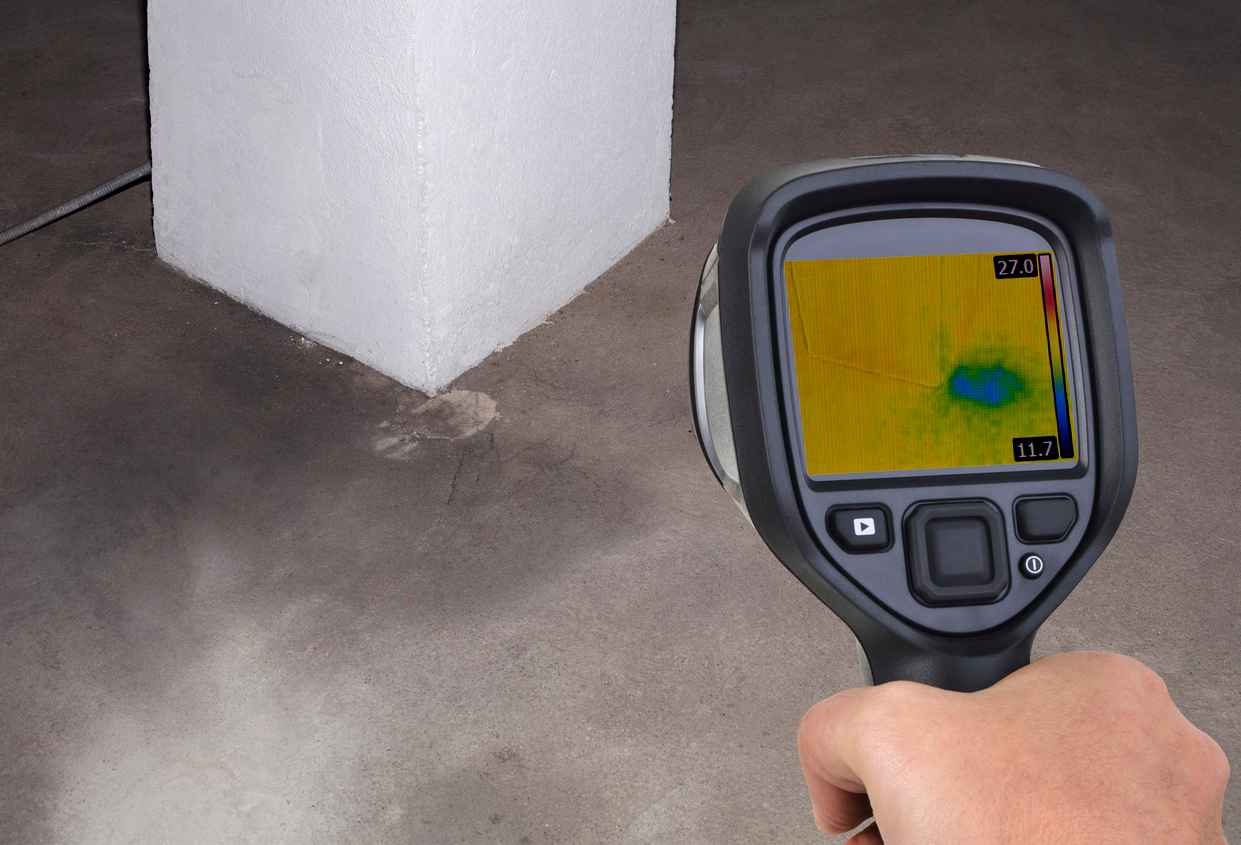
Hidden leaks behind walls, under slabs, or beneath flooring require specialized leak detection equipment to pinpoint without tearing apart your home unnecessarily. Contact a qualified local plumbing professional to locate the leak, make clean and precise repairs, and ensure your system is safe before turning your main water line back on.
Keep Your Home Protected Year-Round With AAA Service Plumbing, Heating & Electric
An unexpected plumbing leak can happen to any home, but with proper preparation and smart technology, you can prevent minor issues from turning into costly disasters.
Whether you need help locating your main shutoff valve, want to install a Flo by Moen smart water monitoring system, or suspect a hidden leak in your home, our team of local plumbing experts is here to help. Contact AAA Service Plumbing, Heating & Electric today to schedule an inspection or learn more about protecting your home!
Recent News
When to Replace Your Older Furnace in Northern Colorado for Lower Winter Bills
Don’t Wait For a Cold Shower: Signs Your Denver Metro Water Heater Needs Replacing Soon
Can My Denver Electrical Panel Handle a Heat Pump, EV Charger, and Induction Range?
Swamp Cooler vs. Central Air: Making the Switch in Northern Colorado
Contact Us Today