We're Hiring — build your career with AAA

Back to Blog
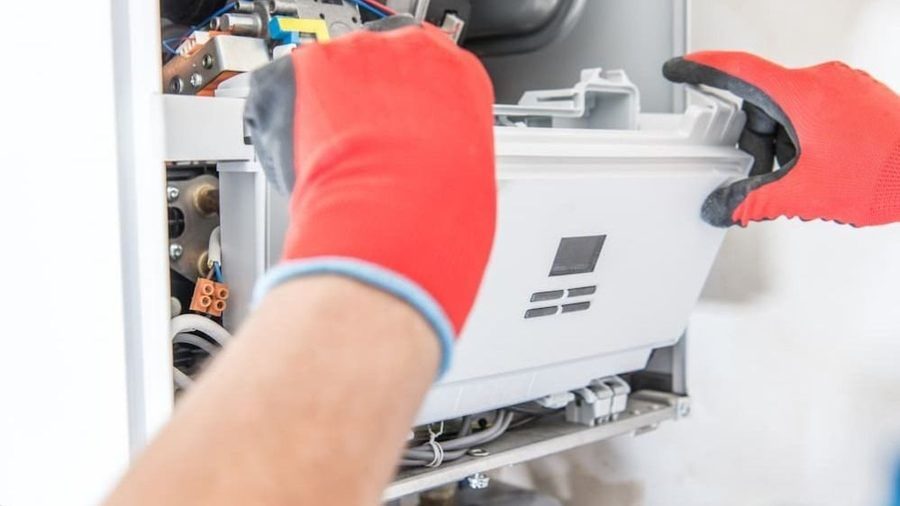
When to Replace Your Older Furnace in Northern Colorado for Lower Winter Bills
Your furnace still turns on, but your winter heating bills keep climbing and the house does not feel as comfortable as it used to. That can leave Northern Colorado homeowners wondering whether another repair makes sense or whether an older furnace is simply becoming too expensive to keep running.
Age is part of the answer, but it is not the whole story. Repair history, energy use, run time, airflow, comfort, system condition, and home efficiency all play a role in deciding whether replacement is the smarter long-term move.
In this guide, we’ll explain the signs that an older furnace may be losing efficiency, when repairs stop making financial sense, how a new system can affect winter energy use, and what to consider before replacing your furnace.
How Do You Know When an Older Furnace Should Be Replaced?
An older furnace may be a replacement candidate when age is combined with declining performance, frequent repairs, rising energy use, or reliability concerns. One of these factors alone doesn’t always justify replacement, but several together can point to a system that is becoming less practical to keep.
Common factors include:
-
Frequent repair calls
-
Rising heating bills
-
Longer run times
-
Uneven temperatures
-
Weak airflow
-
Short cycling
-
Difficulty maintaining the thermostat setting
-
Major component wear
-
Safety concerns
-
Increasingly expensive repairs
An older furnace that’s still reliable, safe, and inexpensive to maintain may not need immediate replacement. A similarly aged furnace that struggles every winter and requires repeated service presents a different picture.
Can an Old Furnace Still Work but Be Expensive to Run?
Yes. A furnace can still produce heat while using more energy than necessary to maintain comfort.
Older equipment may be less efficient than newer systems, but age is only one part of the equation. Wear, dirty components, airflow restrictions, duct leakage, thermostat issues, and poor overall system performance can also make the furnace work harder.
You may notice that:
-
Heating cycles last longer
-
The furnace runs more frequently
-
Rooms take longer to warm up
-
Some areas never feel comfortable
-
Energy bills rise without a major change in usage
Those symptoms do not automatically mean the furnace needs replacement. They do indicate that the system should be evaluated to determine whether maintenance, repair, or replacement would provide the best value.
What Furnace Problems Can Drive Up Winter Energy Bills?
Several furnace and home-related problems can increase energy use. Some are relatively simple to correct, while others may signal that the system is nearing the point where replacement deserves consideration.
Potential causes include:
-
Dirty air filters
-
Restricted airflow
-
Duct leakage
-
Blower problems
-
Short cycling
-
Long run times
-
Thermostat issues
-
Aging or worn components
-
Poor combustion performance where applicable
-
Insulation or air-sealing problems
That is why you shouldn’t blame high winter bills on the furnace alone. If heat is escaping through leaky ducts, weak insulation, or gaps in the home, even a new high-efficiency furnace may not deliver the savings you expect.
How Much Should Furnace Age Matter?
Furnace age provides useful context, but it shouldn’t be an automatic replacement deadline. Two systems of the same age can have very different maintenance histories and operating conditions.
An older furnace may still be worth keeping if:
-
It has been reliable
-
Repairs are infrequent
-
Performance remains consistent
-
Safety concerns are not present
-
Heating costs are reasonable
-
The current repair is minor
Replacement becomes more compelling when age combines with repeated repairs, declining comfort, or rising operating costs. The older the system, the more important it is to evaluate overall condition rather than focus on one isolated issue.
When Do Frequent Furnace Repairs Stop Making Sense?
Repairs can be worthwhile when they extend the life of a system that is otherwise in good condition. The decision gets harder when the furnace needs another major repair after several recent service calls.
Consider:
-
How much you have spent on recent repairs
-
The cost of the current repair
-
The age of the system
-
Overall equipment condition
-
Whether other components are also wearing out
-
How reliable the furnace has been
-
Whether comfort has declined
A relatively inexpensive repair can be a good investment on one furnace and poor value on another. The right question is whether you are repairing a healthy system or continuing to put money into equipment that is becoming unreliable.
Can a New Furnace Lower Your Winter Heating Bills?
A newer, higher-efficiency furnace may reduce energy use compared with an older or poorly performing system, but exact savings vary by home. The difference depends on what you are replacing and how efficiently the rest of the home retains and distributes heat.
Savings can be influenced by:
-
Efficiency of the old furnace
-
Efficiency of the new equipment
-
Fuel prices
-
Thermostat settings
-
Household comfort preferences
-
Duct condition
-
Insulation
-
Air leakage
-
Installation quality
A new furnace can’t fix every efficiency problem in the house. The best results usually come from pairing properly selected equipment with a home that has good airflow, sealed ducts, and reasonable insulation.
Why Does Proper Furnace Sizing Matter for Efficiency?
Bigger is not always better when it comes to furnace replacement. A system that is too large for the home can cycle on and off more frequently than necessary, while an undersized system may struggle to maintain comfort during colder weather.
Proper sizing should account for more than square footage. Important factors include:
-
Home size
-
Ceiling height
-
Insulation
-
Windows and doors
-
Air leakage
-
Orientation
-
Ductwork
-
Local heating load
A properly sized furnace can operate more consistently and help support better comfort. This is why load calculations and system design matter just as much as choosing an efficiency rating.
Can Ductwork and Insulation Limit the Savings From a New Furnace?
Yes. A new furnace can only perform as well as the rest of the heating system and home allow.
If heated air is leaking into an attic, crawlspace, or other unconditioned area, the furnace may have to run longer to maintain indoor temperatures. Poor insulation and air leakage can cause similar problems by letting heat escape too quickly.
Signs that the home itself may be contributing include:
-
Certain rooms staying colder
-
Drafts near windows or doors
-
Large temperature differences between floors
-
Long heating cycles
-
Weak airflow in specific rooms
-
High bills even after equipment service
Addressing duct and building-envelope problems can improve comfort and help a new furnace perform closer to its intended efficiency.
What Are the Signs Your Furnace Is Losing Efficiency?
Efficiency loss often shows up gradually, which makes it easy to overlook. Homeowners may simply get used to longer run times or slightly higher bills from one winter to the next.
Watch for:
-
Rising heating costs without major usage changes
-
Longer furnace cycles
-
Frequent starts and stops
-
Uneven heating
-
Weak airflow
-
Repeated repairs
-
More difficulty maintaining the thermostat setting
-
Increasing noise or other changes in operation
These symptoms can have several causes, so diagnose them before assuming replacement is necessary. A professional evaluation can help determine whether the system needs maintenance, repair, or a larger upgrade.
Should You Replace Your Furnace Before Winter Starts?
Fall can be a practical time to replace a furnace that is already showing clear signs of decline. Planning ahead gives you more time to compare equipment, understand installation needs, and decide before the system faces heavier winter demand.
Replacing before winter can also give you time to:
-
Compare efficiency options
-
Review repair-versus-replace costs
-
Address ductwork issues
-
Evaluate electrical or control requirements
-
Schedule installation more deliberately
-
Avoid making a rushed no-heat decision
That does not mean every older furnace should be replaced in fall. The benefit comes from addressing a system that is already unreliable or expensive to operate before it becomes an emergency.
What Should You Look for in a Replacement Furnace?
Choosing a new furnace involves more than selecting the highest efficiency rating available. The right system should match the home’s needs, existing infrastructure, and budget.
Consider:
-
Proper sizing
-
Efficiency rating
-
Fuel type
-
Blower technology
-
Thermostat compatibility
-
Duct condition
-
Installation quality
-
Noise levels
-
Warranty coverage
-
Long-term operating costs
The equipment matters, but installation quality matters just as much. A high-efficiency furnace that is poorly sized or installed may not deliver the comfort or savings you expect.
Should You Consider a Heat Pump or Dual-Fuel System Instead?
Furnace replacement can also be an opportunity to compare other heating options. Some Northern Colorado homeowners may want to consider a heat pump or dual-fuel system depending on the home, electrical capacity, fuel availability, and comfort goals.
A heat pump can provide both heating and cooling, while a dual-fuel system combines a heat pump with a furnace. These options can offer different operating characteristics and cost considerations depending on the household.
The best choice depends on:
-
Existing HVAC equipment
-
Fuel availability
-
Electrical capacity
-
Home heating load
-
Comfort preferences
-
Utility costs
-
Budget
No single system is best for every home. A professional evaluation can help compare the options based on your actual needs.
How Can You Estimate Whether Replacement Will Actually Save Money?
The best way to estimate potential savings is to compare your current system and costs with realistic replacement expectations. Avoid relying on broad promises that a new furnace will cut bills by a specific percentage.
Look at:
-
Recent heating bills
-
Furnace efficiency
-
Repair history
-
Current system condition
-
Duct condition
-
Insulation and air leakage
-
Projected operating costs
-
Cost of replacement
You should also consider reliability and comfort, not just utility expenses. A new furnace may add value through fewer repairs and more consistent heating, even when bill savings alone don’t justify the entire project.
Plan Your Furnace Replacement With AAA Service Plumbing, Heating & Electric
An older furnace doesn’t need replacement just because of its age, but rising winter bills, frequent repairs, long run times, and declining comfort can signal it is becoming less economical to keep. The smartest decision comes from looking at the condition of the entire heating system and home.
AAA Service Plumbing, Heating & Electric can evaluate your furnace, explain whether repair still makes sense, and help you compare replacement options for your Northern Colorado home. If your heating system is getting more expensive to run or less reliable each winter, contact us today to schedule professional furnace service.
Recent News
Don’t Wait For a Cold Shower: Signs Your Denver Metro Water Heater Needs Replacing Soon
Can My Denver Electrical Panel Handle a Heat Pump, EV Charger, and Induction Range?
Swamp Cooler vs. Central Air: Making the Switch in Northern Colorado

Colorado Drought Conditions Are Getting Worse. Is Your Home Wasting Water?
Contact Us Today