We're Hiring — build your career with AAA

Back to Blog
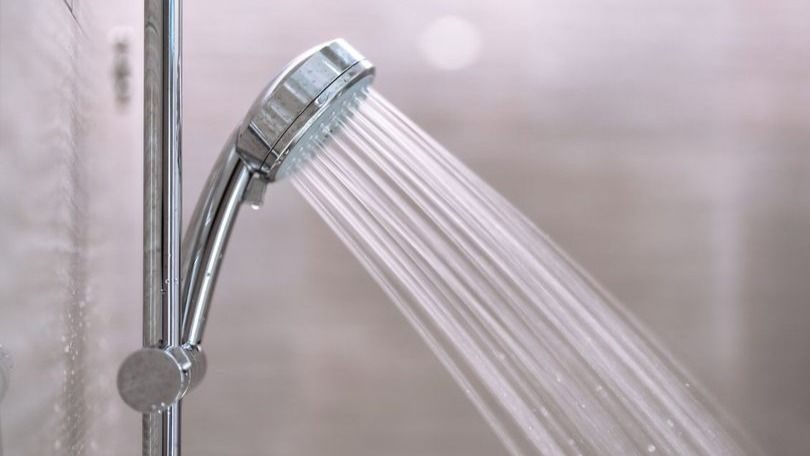
Don’t Wait For a Cold Shower: Signs Your Denver Metro Water Heater Needs Replacing Soon
A water heater rarely gives homeowners a convenient warning that failure is coming. More often, the signs appear gradually through inconsistent temperatures, unusual noises, rusty hot water, leaks, or repeated repairs. Noticing these changes can give you time to plan a replacement before you wake up to a cold shower or find water around the tank.
In this guide, you will learn which warning signs suggest your Denver Metro water heater may be approaching the end of reliable service, when repair may still make sense, and why planning replacement before complete failure can make the process easier. The goal is not to replace a working system too early, but to recognize when reliability is clearly declining.
What Are the Clearest Signs Your Water Heater Needs Replacing?
One symptom alone doesn’t always mean a water heater needs replacing. Several warning signs appearing together are more meaningful.
Watch for:
-
Water leaking from the tank
-
Visible corrosion
-
Rust-colored or discolored hot water
-
Rumbling or popping noises
-
Hot water running out sooner
-
Inconsistent water temperature
-
Repeated repairs
-
Increasingly unreliable operation
-
An older system with multiple developing problems
Age should also factor into the decision, but it should not be the only factor. A well-maintained older heater with a sound tank may still be serviceable, while a similar unit with corrosion, leaks, and repeated failures may be ready for replacement.
The key question is whether another repair is likely to restore dependable service.
How Much Does Water Heater Age Matter?
Age matters because tanks, heating components, controls, valves, and other parts wear over time. However, no single birthday marks when every water heater suddenly needs replacement.
Traditional tank water heaters often operate for many years, but actual service life depends on installation quality, maintenance, water conditions, usage, and previous repairs.
When evaluating an older system, consider:
-
Tank condition
-
Maintenance history
-
Repair frequency
-
Hot-water performance
-
Visible corrosion
-
Leak history
-
Overall reliability
An older water heater that has been dependable may still be worth repairing if the problem is minor. Age matters more when it appears alongside other warning signs.
Instead of asking only how old the unit is, ask how much dependable service you are likely to get after the next repair.
Does a Leaking Water Heater Always Need to Be Replaced?
Not every water heater leak means the tank has failed.
Water can come from several places, including:
-
Plumbing connections
-
Valves
-
Drain fittings
-
Nearby piping
-
Condensation
-
The storage tank itself
Some connection or valve leaks may be repairable. A leak from the tank itself is more serious because it often indicates internal deterioration.
That distinction is important. A plumber may be able to replace a fitting or valve, but normal component repair cannot restore a tank that has corroded through.
If you notice water around the base of the heater, do not wait for the puddle to get larger. Even a relatively small leak can damage flooring, walls, storage areas, or nearby belongings.
A professional inspection can determine whether the source is repairable or whether replacement is the more dependable solution.
What Does Rusty or Discolored Hot Water Mean?
Rust-colored hot water can signal corrosion somewhere in the hot-water system.
The water heater may be involved, particularly if the discoloration appears only when using hot water. However, don’t automatically blame the tank without further evaluation.
Look for patterns such as:
-
Persistent rust-colored hot water
-
Visible corrosion on the heater
-
Discoloration that has become more frequent
-
Rust around fittings or tank surfaces
-
Other symptoms such as leaking or declining performance
A one-time change in water color may have another explanation. Persistent discoloration combined with an aging tank deserves closer attention.
Internal corrosion matters because it can eventually compromise the tank itself.
Why Is Your Water Heater Rumbling or Popping?
Rumbling, popping, or knocking sounds often develop when sediment accumulates inside a tank-style water heater.
As water heats, trapped material can cause unusual noises as bubbles and water move around sediment deposits.
Noise does not automatically mean replacement is necessary. Depending on the system’s condition, maintenance may help address some sediment-related problems.
The situation becomes more concerning when noise appears alongside:
-
Reduced hot-water capacity
-
Slow recovery
-
Leaks
-
Corrosion
-
Repeated repairs
-
Advanced equipment age
If a heater suddenly becomes much louder than it used to, evaluate it rather than ignore it.
The noise may be a maintenance issue, but it can also be one more sign that an older system is becoming less reliable.
Why Does Your Hot Water Run Out Faster Than It Used To?
A noticeable decline in hot-water capacity can mean the system is no longer performing the way it once did.
You may notice that showers turn cold sooner, recovery takes longer, or water temperature fluctuates during normal household use.
Possible causes include:
-
Failed heating elements
-
Burner or ignition problems
-
Thermostat or control issues
-
Sediment buildup
-
Declining system performance
-
Household demand exceeding the heater’s capacity
Some of these problems are repairable.
For example, replacing a failed heating element on an otherwise healthy electric water heater may restore normal performance. The decision becomes different when declining capacity appears on an older system that is also corroded, noisy, leaking, or requiring repeated service.
Evaluate performance alongside the condition of the entire heater.
When Do Repeated Water Heater Repairs Stop Making Sense?
One repair differs from a pattern of recurring breakdowns.
Repair may still make sense when:
-
The problem is isolated
-
The tank is structurally sound
-
The heater has otherwise been reliable
-
Hot-water capacity remains adequate
-
The repair cost is reasonable
-
Other components appear to be in good condition
Replacement becomes more attractive when repairs begin stacking up.
You may find yourself replacing one component, then dealing with a different failure several months later. Even if each repair seems manageable on its own, the total cost and inconvenience can grow quickly.
Reliability matters as much as the price of the current repair.
If the water heater is becoming difficult to trust, investing in another repair may simply postpone a replacement decision that is already approaching.
Why Is Planned Replacement Better Than Waiting for Complete Failure?
Replacing a water heater before it fails completely gives you more control.
A planned project gives you time to compare:
-
Tank and tankless options
-
Fuel types
-
System capacity
-
Installation requirements
-
Efficiency features
-
Warranty coverage
-
Scheduling
An emergency failure can limit those choices.
If the tank begins leaking significantly or stops producing hot water altogether, the priority quickly becomes restoring service. That may leave less time to compare equipment or consider whether another type of water heater would better fit the household.
Planning replacement can also reduce the risk of water damage from a deteriorating tank.
The goal is not to replace every older heater early. It is to act when the warning signs indicate that dependable operation is becoming less likely.
Should You Replace Your Tank Water Heater With Another Tank or Go Tankless?
When replacement becomes necessary, homeowners can reconsider the type of water heater they use.
A traditional tank water heater may be a good fit when:
-
You want a familiar system
-
Existing plumbing supports a straightforward replacement
-
Stored hot-water capacity meets household needs
-
Simpler installation is a priority
A tankless system may be worth considering when:
-
You want on-demand hot water
-
Space is limited
-
You want to reduce standby heat loss
-
The home can support the required fuel or electrical demand
-
Long-term equipment planning is important
Tankless is not automatically the better option for every Denver Metro home.
Installation may require changes to gas service, venting, electrical capacity, or plumbing. Household hot-water demand also matters because the unit must be sized for how many fixtures may operate at the same time.
The right replacement should match how your household actually uses hot water.
What Should a Plumber Check Before Recommending Replacement?
A replacement recommendation should be based on the condition of the entire system, not a single symptom.
A professional evaluation may consider:
-
Leak source
-
Tank condition
-
Visible corrosion
-
Heating components
-
Burner or ignition operation
-
Thermostat and controls
-
Hot-water capacity
-
Repair history
-
System age
-
Installation condition
This evaluation helps distinguish a repairable problem from a system that is becoming unreliable overall.
If the tank remains sound and the issue is limited to one component, repair may still be reasonable. If several warning signs point toward deterioration, replacement may provide better long-term reliability.
Before deciding, ask what is failing and what condition the rest of the system is in.
Replace an Unreliable Water Heater Before the Cold Shower Arrives
Your water heater does not have to fail completely before you start considering replacement. Leaks, corrosion, rusty hot water, unusual noises, reduced capacity, and repeated repairs can all indicate that reliable service is becoming harder to maintain.
The strongest case for replacement usually comes from several warning signs appearing together. Age alone should not make the decision, but age combined with declining performance and repeated problems deserves attention.
AAA Plumbing, Heating & Electric helps Denver Metro homeowners diagnose water heater problems, complete repairs when they still make sense, and plan replacement when an aging system is becoming unreliable. If your water heater is showing signs of deterioration and you want to avoid an unexpected cold shower or leak, contact us today to schedule a professional evaluation.
Recent News
Colorado Winter Heating Checklist: How to Prepare Your Home for Cold Weather
The Colorado Homeowner’s Guide to Hidden Water Leaks: How to Prepare and What to Do When You Suspect One
When to Replace Your Older Furnace in Northern Colorado for Lower Winter Bills
Can My Denver Electrical Panel Handle a Heat Pump, EV Charger, and Induction Range?
Contact Us Today