We're Hiring — build your career with AAA

Back to Blog
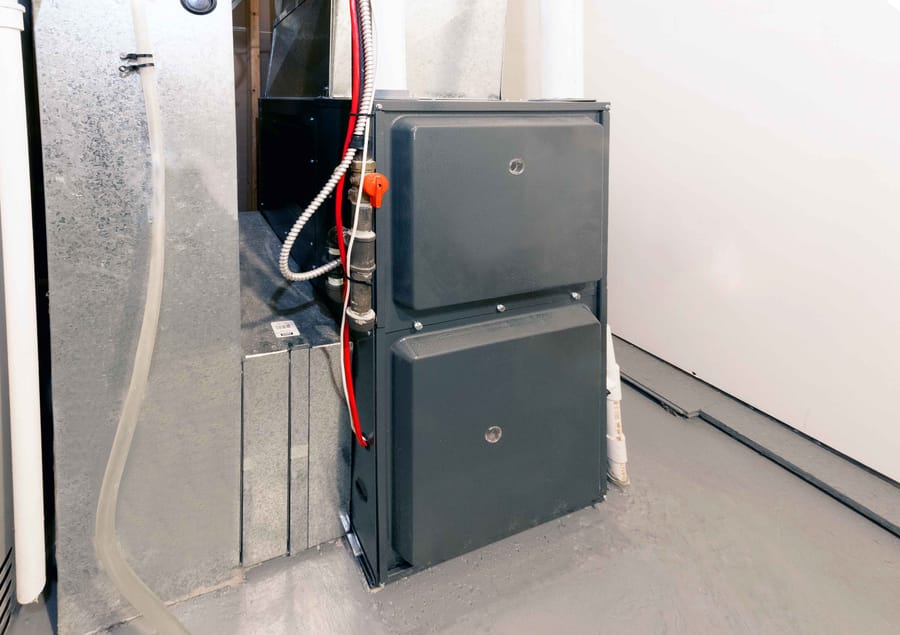
Why are Gas Furnace Prices Increasing in Colorado in 2026?
Colorado homeowners are currently facing a significant turning point in the way they heat their homes. As of January 1, 2026, new state regulations have officially altered the HVAC landscape, leading to a noticeable increase in the cost of gas furnaces. This shift is not merely a matter of standard inflation but is the direct result of landmark legislation designed to transform environmental standards across the state. While these changes aim to improve air quality, they have created a new market reality where traditional, budget-friendly heating options are quickly becoming a thing of the past.
The primary driver behind these rising costs is Colorado House Bill 23-1161. This law mandates strict new emissions standards for newly manufactured gas-fired central furnaces and water heaters, effectively requiring that any new unit sold in the state meets “Ultra-Low NOx” or high-efficiency Energy Star criteria. For many residents in Denver and the surrounding areas, this means that the standard furnace models they have relied on for decades are no longer available for new installations. Understanding why these prices are climbing is essential for any homeowner with an aging system, as waiting for a total breakdown could lead to a much higher financial burden than anticipated.
The Impact of House Bill 23-1161
House Bill 23-1161 represents one of the most significant changes to Colorado building codes in recent history. By targeting the nitrogen oxide (NOx) emissions produced by burning natural gas, the state is addressing a major source of ground-level ozone and smog.
Why Prices Are Moving Higher
The transition to cleaner heating technology requires more complex engineering and more expensive components. Homeowners who have recently requested quotes for a furnace replacement may notice a significant jump in pricing compared to just a few years ago.
-
Mandatory Standards: Only equipment that meets the 14 nanograms per joule (ng/J) limit for NOx or specific Energy Star 5.0 ratings can now be manufactured for sale in Colorado.
-
Technology Requirements: The shift from standard burners to advanced premix combustion systems has increased manufacturing and material expenses.
-
Market Scarcity: As older, non-compliant inventory is depleted from local warehouses, homeowners are left with premium-tier, high-efficiency models as their primary choice.
AAA Service Plumbing, Heating and Electric is committed to helping you navigate these changes while ensuring your home remains warm and efficient throughout the Colorado winter.
Understanding House Bill 23-1161: The Ultra-Low NOx Mandate
The catalyst for the current price surge is a specific regulatory standard targeting nitrogen oxide (NOx) emissions. While many homeowners are familiar with energy efficiency ratings like AFUE, the 2026 mandate introduces a different metric focused on air quality rather than just fuel consumption.
The Science of Smog and the 14 ng/J Standard
Nitrogen oxides are byproducts of the combustion process in gas furnaces. When these gases are released into the atmosphere, they react with sunlight to form ground-level ozone and smog, which are significant concerns for the health of Colorado’s Front Range. To combat this, House Bill 23-1161 established a strict limit on how much NOx a new furnace can produce.
-
The Technical Threshold: Most gas furnaces sold in Colorado after January 1, 2026, must meet a limit of 14 nanograms per joule (ng/J) of NOx emissions.
-
Smaller Units: For smaller units with a heat input capacity of 75,000 BTUs per hour or less, the standard is even stricter, requiring a limit of just 10 ng/J.
-
A National Precedent: Colorado is the first state to apply these ultra-low NOx standards statewide, moving beyond the localized regulations previously seen only in certain California air quality districts.
Statewide Impact on Homeowners
This legislation does not require you to remove your current furnace if it is still functioning. However, the law prohibits retailers and HVAC contractors from selling, leasing, or distributing any new equipment that does not meet these rigorous standards.
Because the vast majority of standard gas furnaces manufactured in previous years produce significantly more than 14 ng/J, they have effectively been banned from the Colorado market. This means that when your existing unit fails, your replacement options are limited to a new generation of sophisticated, higher-priced equipment.
Why Technology Upgrades Drive Equipment Costs Higher
The price increase for gas furnaces in 2026 is largely driven by the sophisticated engineering required to meet the new 14 ng/J emissions standard. Unlike older models that utilized a simple open flame, Ultra-Low NOx furnaces require a complete redesign of the internal combustion process. These technological advancements ensure cleaner air, but they come with a higher manufacturing price tag.
Advanced Burner Technology
The most significant change is the move toward premix burners. In a traditional furnace, fuel and air are mixed at the point of ignition. In an Ultra-Low NOx system, the air and gas are precisely blended before they even reach the burner.
-
Stainless Steel Components: High-performance burners often require specialized stainless steel or ceramic materials to withstand the unique heat profiles of a detached flame.
-
Precision Controls: Sophisticated sensors and gas valves are necessary to maintain the exact fuel-to-air ratio required for low-emission combustion.
-
Complex Heat Exchangers: To maximize efficiency and reduce emissions, the secondary heat exchangers are often larger and more complex, using higher-grade materials to prevent corrosion from condensation.
The Disappearance of the “Economy” Furnace
For years, the 80% AFUE (Annual Fuel Utilization Efficiency) furnace was the standard “budget” option for Colorado homeowners. However, the new 2026 mandates have effectively eliminated many of these entry-level models from the market.
-
Manufacturing Shift: Most manufacturers have pivoted their production lines exclusively to high-efficiency condensing units (96% AFUE or higher) to ensure compliance with the new laws.
-
Reduced Choice: Because 80% non-condensing furnaces rarely meet the new Ultra-Low NOx requirements, homeowners can no longer choose a “standard” unit to save on upfront costs.
-
Premium Pricing: With “economy” models phased out, the new baseline for a furnace replacement is a premium-tier, high-efficiency system, which can cost between $2,500 and $5,500 more than the systems available just a few years ago.
These components are not just for compliance; they also offer a longer-term benefit. While the upfront investment is higher, the high-efficiency technology used in these 2026-compliant models can reduce annual heating bills by up to 20% to 30%, helping to offset the initial price increase over the life of the system.
Secondary Factors Fueling the 2026 Price Surge
While the legislative shift to Ultra-Low NOx technology is the primary driver of rising costs, several secondary economic factors are amplifying the financial impact on Colorado families. These external pressures create a “perfect storm” that affects everything from the price of the metal inside the furnace to the labor required to install it.
The Sunset Effect and Inventory Scarcity
Because House Bill 23-1161 bans the sale of equipment manufactured after December 31, 2025, that does not meet the new standards, a significant inventory gap has emerged.
-
Finite Pre-Regulation Stock: Some distributors stocked up on standard, lower-cost furnaces before the 2026 deadline. However, this “pre-regulation” inventory is finite and cannot be replenished.
-
Rapid Depletion: As homeowners realize the price difference between old and new models, demand for remaining 2025-compliant stock is at an all-time high. Once these units are gone, the only remaining options are the more expensive 2026-mandated systems.
-
Pricing Premium on Remaining Units: High demand and low supply for the last remaining standard furnaces have caused their prices to rise, even though they utilize older technology.
Global Material and Supply Chain Pressures
The physical components of a modern furnace are becoming more expensive to source. In 2026, global markets for essential metals have seen significant volatility, directly impacting the bottom line for HVAC manufacturers.
-
Copper Demand: Copper is essential for heat exchangers and electrical components. Increased global demand from the renewable energy and AI sectors has kept copper prices near record highs, adding hundreds of dollars to the manufacturing cost of a single furnace.
-
Steel and Aluminum: The specialized stainless steel required for Ultra-Low NOx burners is more costly than traditional galvanized steel.
-
Semiconductor Availability: Modern high-efficiency furnaces rely on advanced control boards and sensors. Ongoing global competition for these microchips continues to contribute to equipment price fluctuations.
Specialized Labor and Training
Installing an Ultra-Low NOx or high-efficiency condensing furnace is not a simple “plug-and-play” process. These systems require advanced installation techniques to ensure they perform safely and at their rated efficiency levels.
-
Technical Training: HVAC technicians must undergo specialized certification and training to handle the precise combustion tuning required for 2026-compliant models.
-
Installation Complexity: Condensing furnaces require specialized PVC venting and condensate drainage systems that standard 80% furnaces do not. Retrofitting an older home to accommodate these requirements often adds several hours of labor to the total project cost.
Strategy for Homeowners: How to Navigate Rising Costs
While the 2026 market presents financial challenges, Colorado homeowners are not without options. Navigating this landscape requires a combination of timing, technical knowledge, and a focus on long-term return on investment. By understanding the available incentives, you can significantly offset the higher upfront cost of compliant equipment.
Leverage Available Rebates and Incentives
The 2026 heating season is unique because while equipment prices have risen, local and state incentive programs have expanded to support the transition to cleaner technology.
-
Colorado HEAR Rebates: The Home Electrification and Appliance Rebates (HEAR) program can provide substantial upfront discounts. Depending on your household income relative to your county’s Area Median Income (AMI), you could qualify for thousands of dollars in rebates for high-efficiency systems.
-
Utility Bonus Programs: Major Colorado utility providers, such as Xcel Energy, have shifted their focus toward “fuel-switching” and high-efficiency benchmarks. While many standard gas furnace rebates have sunset, significant bonuses are often available for “dual-fuel” systems that pair a high-efficiency furnace with an electric heat pump.
-
Manufacturer Promotions: To help consumers adjust to the 2026 standards, many manufacturers offer seasonal rebates or specialized financing plans for Ultra-Low NOx models.
Focus on Total Cost of Ownership
When evaluating a new furnace in 2026, it is helpful to look past the initial sticker price and consider the “Total Cost of Ownership.” The premium components required by the new laws are designed to reduce waste and lower monthly energy consumption.
-
Reduced Monthly Bills: A high-efficiency furnace (96% AFUE or higher) can save a typical Colorado household hundreds of dollars per year in natural gas costs compared to an older 80% model.
-
System Longevity: Modern units are engineered with more durable materials, such as high-grade stainless steel heat exchangers, which can extend the lifespan of the system and reduce the frequency of expensive repairs.
-
Increased Property Value: In the Colorado real estate market, a home with a fully compliant, high-efficiency heating system is a significant selling point, as buyers are increasingly wary of the looming costs associated with older, non-compliant units.
The Importance of a Professional Assessment
Every home is different, and there is no single “best” solution for every family. A professional home energy assessment from AAA Service Plumbing, Heating and Electric can help you determine the most cost-effective path forward. We can identify air leaks, insulation gaps, and ductwork issues that might allow you to downsize to a smaller, less expensive furnace while maintaining the same level of comfort.
Taking Control of Your Home Comfort
Don’t let rising furnace prices or limited inventory catch you by surprise. Whether your current system is showing signs of age or you simply want to explore your high-efficiency options, our experts are here to help.
Contact AAA Service Plumbing, Heating and Electric today to schedule your home heating assessment and ensure your home is ready for the years ahead.
Recent News
Colorado Winter Heating Checklist: How to Prepare Your Home for Cold Weather
The Colorado Homeowner’s Guide to Hidden Water Leaks: How to Prepare and What to Do When You Suspect One
When to Replace Your Older Furnace in Northern Colorado for Lower Winter Bills
Don’t Wait For a Cold Shower: Signs Your Denver Metro Water Heater Needs Replacing Soon
Contact Us Today